Noticing your horse getting a little rounder than usual? Carrying extra weight can lead to real health issues if it’s not addressed early.
There are a few important factors to consider if your horse is overweight, and most of them come down to everyday habits—how they eat, how they move, and what’s in their environment. This guide breaks it all down to help you make smart, sustainable changes that keep your horse healthy long-term.
Know What Counts as “Overweight”
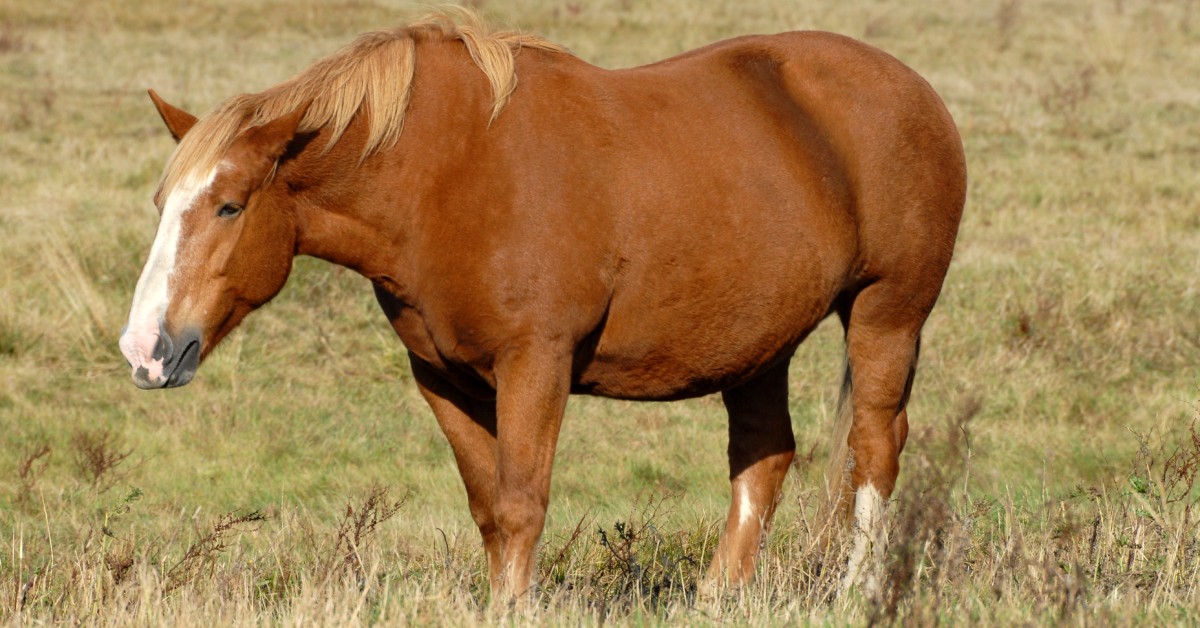
Not every thick horse is unhealthy. There’s a big difference between a well-muscled horse and one carrying too much fat. You’ll want to use a body condition scoring system (BCS) to get a clearer idea of where your horse falls.
A BCS of 5 is considered ideal for most horses. Anything above a 6? That’s when extra padding starts becoming a problem. Look for fat pockets on the neck, shoulders, ribs, and tailhead. If you can’t feel the ribs at all, your horse’s BCS is probably too high.
Factor in Hormonal or Age-Related Changes
Weight gain isn’t always about too much food or not enough movement. As horses age, their metabolism slows down—just like ours. Mares, especially, can have hormonal fluctuations that make weight management trickier. Conditions like thyroid imbalances or PPID (formerly called Cushing’s) can also affect how the body processes calories, builds muscle, and stores fat.
If your horse is older or suddenly gaining despite no major diet changes, it’s worth getting a vet involved to check for underlying issues that might require a different management approach.
Understand the Link to Metabolic Health
Hormonal and age-related changes can make it easier for a horse to gain weight. In many cases, though, a horse starts out with a healthy metabolic system and gains weight due to overfeeding, limited exercise, or unrestricted pasture access. What’s frustrating is that obesity itself can then trigger metabolic dysfunction, which makes losing that weight even more difficult.
Overweight horses are more likely to develop insulin resistance and other metabolic conditions. These impact how their bodies process sugar and can make it harder for them to lose weight. Fat buildup along the neck, a tendency to gain weight quickly, and low energy can all point to underlying metabolic problems. These horses often need more than just fewer calories—they need specific support through diet and movement.
Consider Herd Dynamics and Access to Resources
If your horse lives in a group setting, social hierarchy can affect how and when they eat. Dominant horses often guard hay piles or feeders, while more submissive ones might hover and graze longer when they do get access—leading to overeating in short bursts. Some horses also eat out of boredom or anxiety if the herd situation is stressful.
Watch how your horse interacts at feeding time. If you’re seeing tension, blocked access, or hoarding behavior, it might be time to adjust how forage is offered or consider separating them during meals.
Reevaluate Their Time on Pasture
Grass quality changes through the seasons, especially in spring and fall when pastures are higher in sugar. That’s a problem for overweight horses and those with metabolic concerns. You may need to limit grazing access during these times or use a grazing muzzle to reduce sugar intake. According to Penn State Extension, excess sugars in pasture forage can cause major imbalances for horses that are already at risk.
Build Movement into Their Routine
Activity is one of the most important tools for healthy weight loss. That doesn’t mean your horse needs daily rides or intense workouts. Regular turnout, hand-walking, and groundwork can all support fat loss and muscle maintenance. As their weight changes, you may need to gradually increase exercise intensity, but consistency matters more than intensity at the start.
Choose the Right Hay
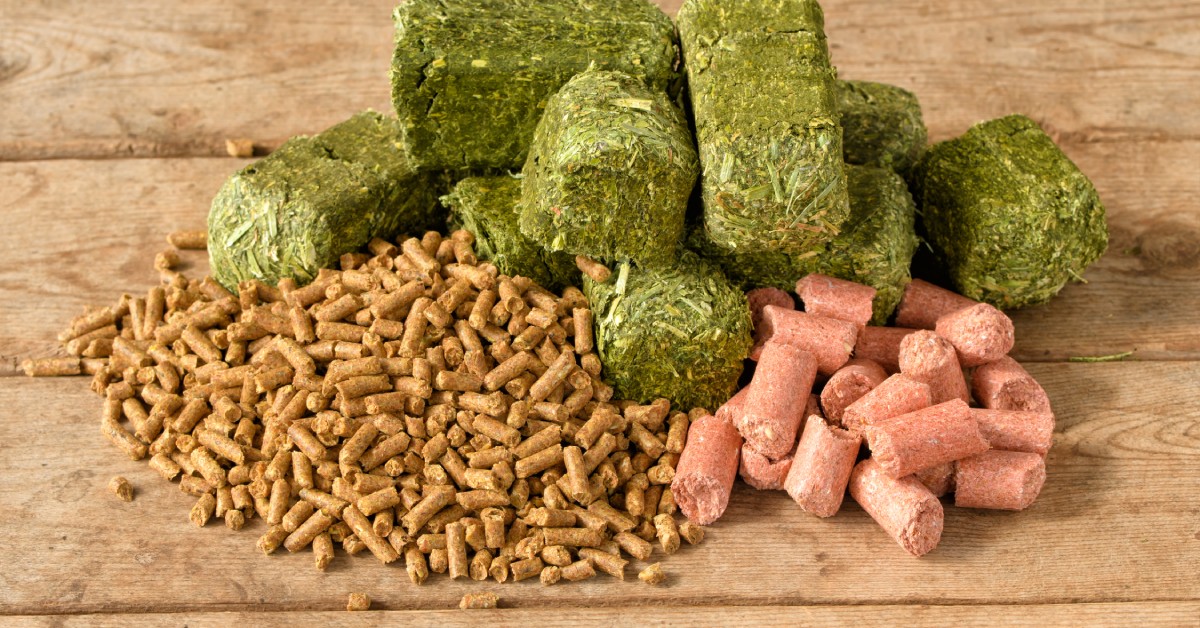
Forage quality can either support your horse’s health or work against it. Look for long-stemmed, high-fiber, low-NSC hay that provides chew time and digestion support without spiking blood sugar. Avoid molasses-coated hay and haylage if your horse has weight or metabolic concerns.
Cut the Unnecessary Feed
Many overweight horses don’t need grain. What they often need instead is a vitamin and mineral balancer that fills nutritional gaps without adding calories.
If you do feed grain, read the ingredients carefully. Corn, oats, and molasses add sugar and starch, which aren’t helpful for a horse already struggling with weight. Choose feed based on what your horse actually needs, not what looks good on the label.
Rethink the Treats (Yes, Even the “Healthy” Ones)
Treats are a quick way to connect with your horse—but they’re also a sneaky source of extra calories. Many commercial treats are loaded with sugar, even the ones marketed as “low-starch” or “natural.” Fresh produce like carrots and apples might seem like better options, but in large amounts, they still spike sugar intake.
For overweight horses, treats should be limited and chosen carefully. Stick to small pieces of low-sugar options like celery or cucumber, and reserve them for specific situations—like after work or during training—not as a daily habit. Skip the habit of giving treats “just because.”
Don’t Ignore Hoof Strain
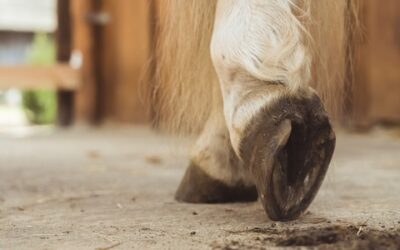
Extra weight puts stress on joints, ligaments, and hooves. Horses with poor metabolic health are also more sensitive to soreness or sole pressure. Talk to your farrier about any changes you’re seeing in hoof shape, stance, or sole quality. Regular care, trims, and clear communication with your farrier can help prevent minor problems from becoming long-term issues.
Track Weight and Body Changes
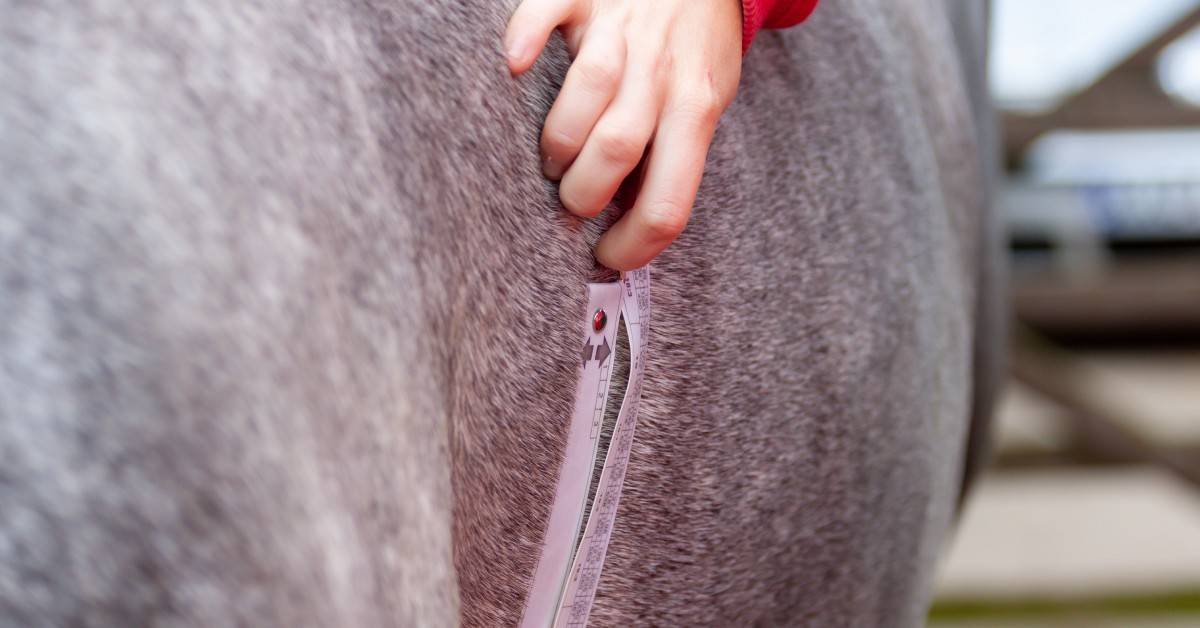
Visual checks aren’t enough when monitoring weight loss. Use a weight tape, measure the neck circumference, and document BCS scores every few weeks. Photos are helpful too—take them from the same angles under the same lighting so you can see subtle changes over time. If your horse is under veterinary care, share those records to keep everyone aligned on progress.
Supporting Healthy Weight the Smart Way
Have a horse that’s a little round? You already know what factors to consider if your horse is overweight—now it’s time to put together a plan of action that addresses them!
Helping your horse slim down isn’t about depriving them—it’s about making smart choices that support their metabolism and overall health. With a combo of thoughtful feeding, movement, and tracking, you can absolutely help them feel better and avoid common complications tied to obesity.
And Lucerne Farm is here to help you with that! We create highly nutritious forage blends, with ingredients grown on our own farm here in Maine. Our Hi-Fiber hay is, as its name suggests, a high-fiber option that’s also low-sugar thanks to the use of soybean oil as an alternative to molasses. It’s a great option for horses with metabolic issues like obesity because it has all the roughage they need to keep their digestive system moving without being too fattening. Learn more about its benefits and how to switch your horse over to it today.