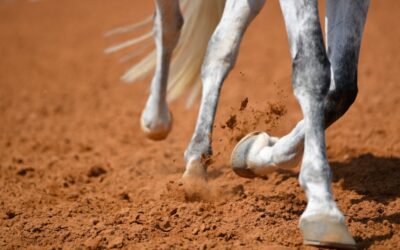
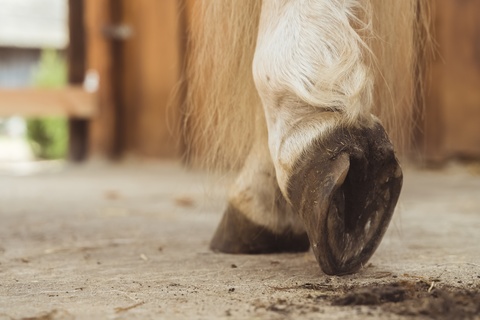
At first glance, your horse’s hooves might look like simple, solid things. But you’d be surprised by how complex they really are. Horse hooves are made up of several different parts, like the wall, sole, frog, and bars. They serve multiple functions for your horse: they help them stand, walk, and play!
Because they’re so intricate, and because they do so much, horse hooves are unfortunately prone to health problems. If you’re worried about your equine’s hoof health, let’s talk about how to identify and manage common issues with this part of a horse’s body. When you know what the most common problems are, how to spot them, and how to treat them, you’ll be able to keep your four-legged pal comfortable!
Hoof Abscesses
A hoof abscess is a pocket of infection that develops inside the horse’s hoof. Think of it like a really intense pimple, but inside a very sensitive and weight-bearing structure. It can be quite painful for your horse. An abscess forms when bacteria get trapped inside the hoof wall, usually through a small crack, puncture wound, or separation in the white line.
Your horse might show sudden, severe lameness, which can sometimes appear overnight. Other symptoms you might notice include:
- Heat in the hoof or leg
- A noticeable pulse in the pastern area (the digital pulse)
- Swelling in the lower leg
- Reluctance to put weight on the affected hoof
Caring for Hoof Abscesses
To treat a hoof abscess, you need to drain it, which you can do by soaking the hoof in warm water with Epsom salts for about 15–20 minutes daily. This little spa treatment helps soften the hoof and encourages the gunk to come out. For faster relief, your farrier or vet can play hero by carefully opening up the abscess to let it drain. Once the drama is over, just keep the area clean and dry to avoid a sequel.
Thrush
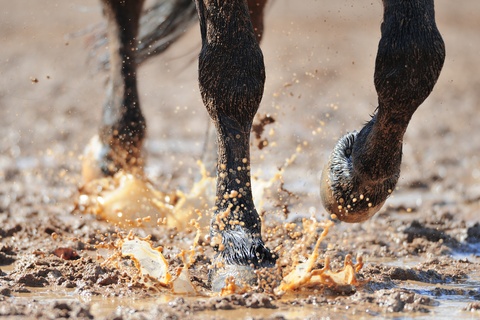
According to Penn State’s Equine Division, horses that walk around in wet, muddy grass or paddocks can develop issues like thrush due to moisture. Thrush is a bacterial and fungal infection of the frog, which is the V-shaped cushion on the underside of the hoof. It’s characterized by a foul-smelling, black, tar-like substance in the grooves of the frog.
Symptoms are pretty easy to spot and smell. They include:
- A strong, unpleasant odor from the hoof
- Black, pasty discharge around the frog
- Sensitivity or pain when the frog is cleaned or touched
Caring for Thrush
Treating thrush means you’ll need to get up close and personal with your horse’s hooves every day. First, give those hooves a good, thorough cleaning, making sure to pick out all the gunk from the frog’s grooves. Once they’re squeaky clean, apply a commercial thrush treatment. To keep this stinky situation from happening again, keep your horse’s living area as clean and dry as possible, and avoid letting them out in mud or wet conditions on rainy days.
Laminitis
Laminitis is an inflammation of the laminae, the sensitive tissues that connect the hoof wall to the coffin bone inside the hoof. When these tissues get inflamed, they can weaken, and the coffin bone can rotate or sink within the hoof capsule. It’s a very serious and painful condition that requires immediate veterinary attention.
A horse with laminitis will exhibit signs of severe pain. They may:
- Show a “sawhorse” stance, where they lean back to take weight off their front feet
- Have a strong, bounding digital pulse
- Have hot hooves
- Be reluctant to walk or turn
Caring for Laminitis
If you even think you see signs of laminitis, grab that phone and call your vet ASAP! While you wait, do what you can to make your horse comfy.
Once your vet arrives, they’ll focus on managing the pain with anti-inflammatory meds. Then, they’ll play detective and try to determine the root cause—it could be their feed, a metabolic problem, or something else entirely. Your vet might also suggest a fancy new trim or special shoes for your horse to give those hooves extra support and help them heal better.
Hoof Cracks
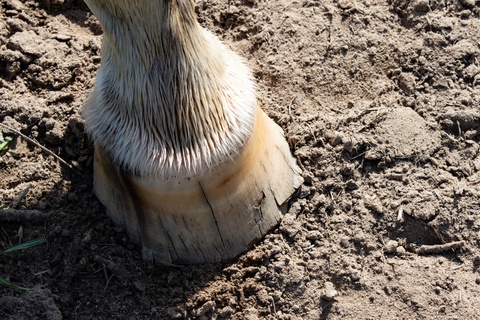
Hoof cracks are splits or fissures that appear on the hoof wall. They can be vertical or horizontal and can vary in depth and severity. Cracks can start at the ground surface and travel up, or start at the coronary band and travel down. The most common causes of cracks are dry, brittle hooves, an imbalanced trim, or trauma to the hoof.
The most obvious symptom is, well, the crack itself! Depending on the crack’s location and depth, you might also see:
- Lameness if the crack is deep and affects sensitive structures
- Bleeding from the crack
- Instability of the hoof wall
Caring for Hoof Cracks
For those little surface-level cracks, don’t sweat it too much! Regular trims from your farrier should keep them under control. But for those deeper, more dramatic splits? Your farrier might need to bring out the big guns, like special shoes, clips, or even a patch job to hold everything together. And to stop cracks from happening in the first place, especially if you live somewhere dry, keep those hooves moisturized with a good dressing. A little hoof balm goes a long way.
A Healthier Hoof for a Happier Horse
You’d be surprised by how much relief understanding how to identify and manage common hoof issues in horses can bring you! While your horse’s hooves sure are complex, and that complexity can bring trouble with it, most of the issues afflicting horse hooves are treatable when you catch and address them early.
At Lucerne Farms, we want to help you give your equine companions the best lives they can live! We make wholesale, natural products for horses and other livestock. If your horse’s hoof health is what you’re most invested in right now, you might be interested in our horse forage. A varied diet can support your horse’s well-being and prevent issues like brittle hooves. Our forage is packed with fiber and nutrients, and is easy for horses to digest. We have several forage options available, like pleasure feeds and performance feeds, depending on the age, health, and activity of your equine buddy. See what we have available to supplement their diet!