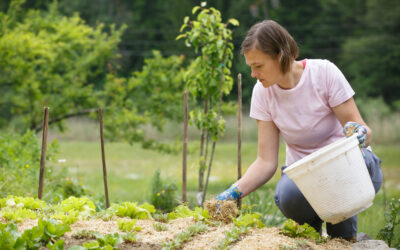
The time has come. The mulch you used to cover your garden beds is finally starting to thin out, and you know you need to replace it. You pick up a fresh bag from the garden center. And that’s when the questions start marching through your brain. If you weren’t planning to use it immediately, what do you do with it? Can you just leave it outside? And what do you do with any extra mulch you might have left after you do finally spread it?
Mulch is hardy, but it does need to be stored and maintained properly if you want to protect it against moisture, mold, and rot. We’re here with tips to help you care for all kinds of mulch, from straw to wood chips.
Why Proper Mulch Storage and Maintenance Matter
How much does storing and maintaining mulch matter, you wonder? Especially if you’ll only have it sitting out for a few days before spreading it where it needs to go.
While it’s true that a weekend in the wrong spot won’t automatically ruin your mulch, there’s always a risk. And if you’ll be storing mulch for extended periods, like a few weeks or months, that risk climbs quickly. There’s a chance you’ll eventually open the bags to find mold, rot, strong odors, or material that’s too damp and broken down to use the way you planned.
What actually happens to mulch if you leave it out in the rain or sitting on wet ground? A few things can go sideways:
- Mold can develop when excess moisture gets trapped
- Rot can start when organic mulch stays wet for too long
- Odors can build when air can’t move through the material
- Nutrients can begin breaking down before the mulch reaches your garden, coop area, or walking path
- Pests can move in if mulch sits directly on damp ground
A little care helps keep mulch usable until you’re ready to use it. This way, you can expend your leftovers rather than having to spend money on brand-new bags. Plus, you’ll save time when you can skip the store and use the preserved mulch you packed away in your storage shed or garage.
How To Store and Maintain Different Types of Mulch
According to Penn State Extension, people can choose from many different types of mulch for their gardens, including straw, wood chips, compost, stone, and rubber. While most types of mulch have the same basic care requirements, others have specific storage needs; for example, straw is more prone to moisture damage and needs to be kept especially dry as a result. To help you care for your mulch correctly, here’s what you need to know about how much attention each kind needs.
Straw and Hay-Based Mulch
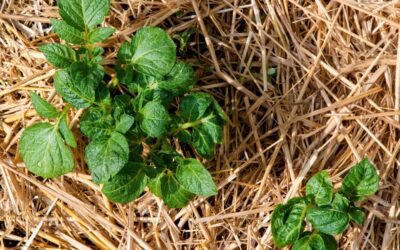
Straw and hay-based mulch is a lightweight, plant-based option that breaks down over time. Since it absorbs moisture quickly, it can mold or rot if it sits somewhere damp. Store it in a dry, covered area with airflow, and keep it lifted off bare ground. If it comes bagged, leave the bags closed until use.
Wood Chips and Bark Mulch
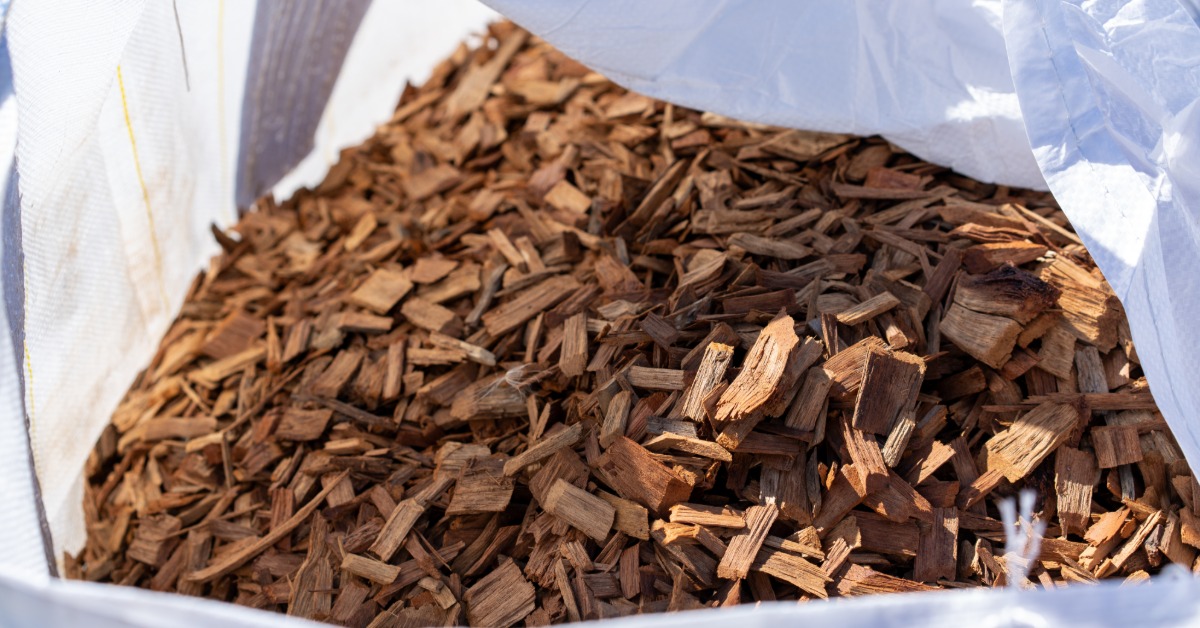
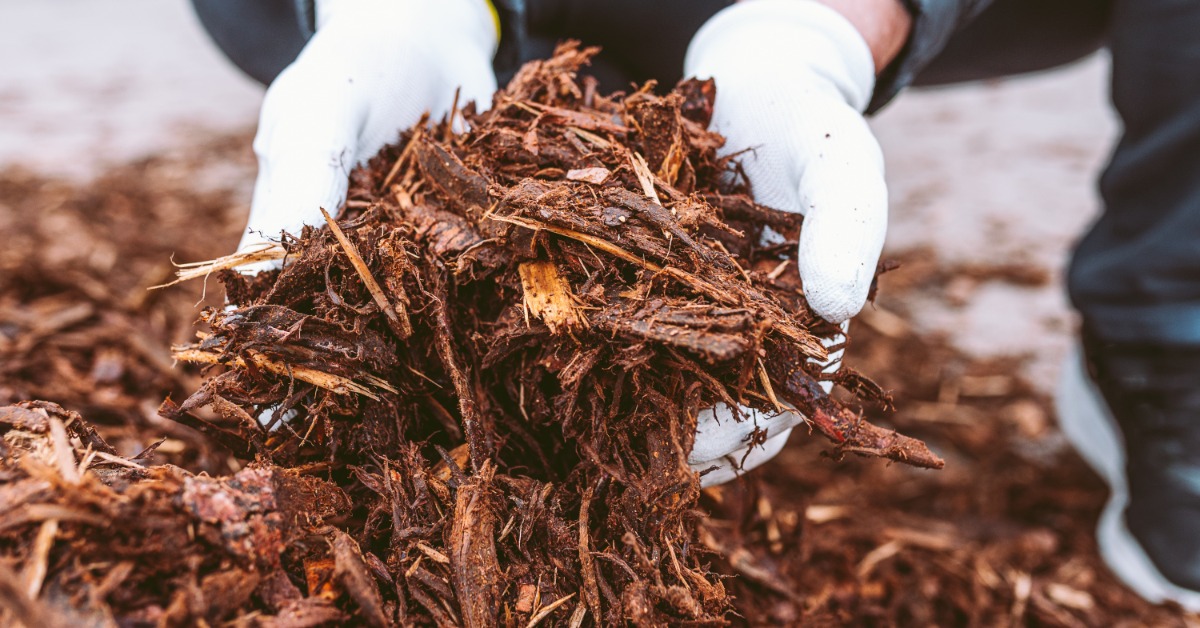
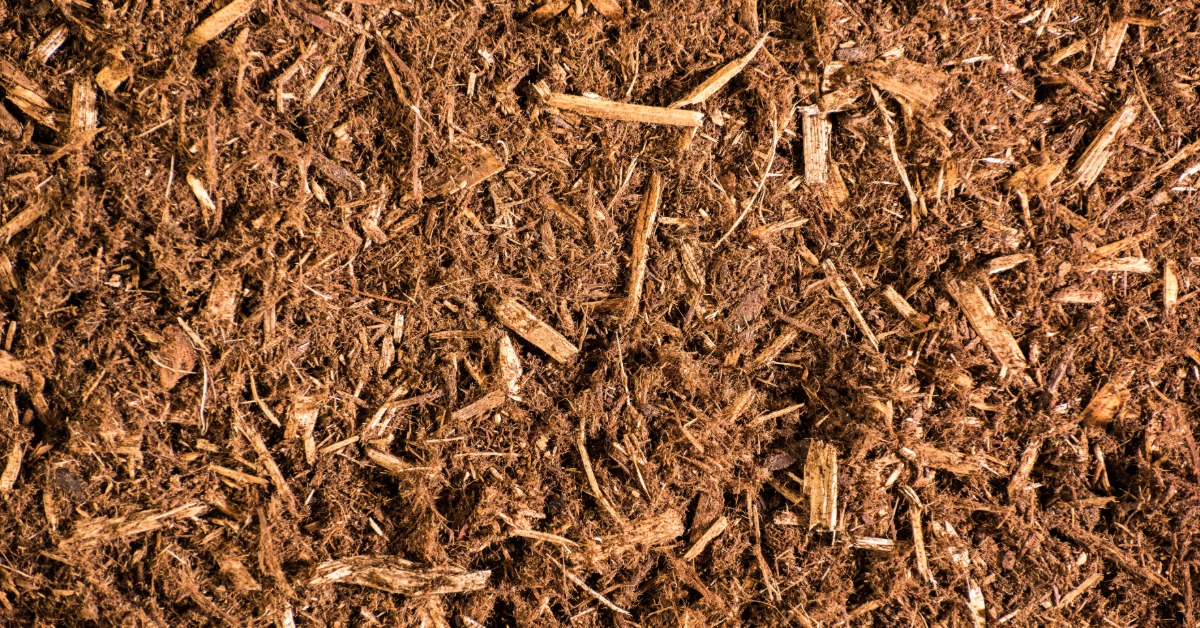
Wood chips and bark mulch come from tougher woody material, so they hold up better during storage than softer organic mulch. Their main issue is trapped moisture inside a dense pile. Store them loosely when possible, and avoid sealing the pile tight under a tarp. Airflow helps prevent sour odors and excess breakdown.
Compost Mulch
Compost mulch has already broken down, which means it can compact and hold moisture. When it gets too wet, it can turn heavy, clumpy, or smelly. Store it in a covered pile where air can still move through. Keep it slightly damp, but don’t let rain soak it or puddle around it.
Leaf Mulch
Leaf mulch comes from shredded or partially broken-down leaves, so it can compact pretty easily when it gets wet. Once it packs down, air has a harder time moving through it, and the pile can turn heavy or musty. Store leaf mulch in a covered spot with some airflow, and fluff it before use if it starts clumping together.
Stone Or Rubber Mulch
Stone and rubber mulch don’t break down like organic mulch, so mold and rot aren’t the main concerns. The issue is cleanliness. These materials can collect mud, leaves, and standing water while they sit. Store them covered and off messy ground so they stay clean and ready to spread.
How Long Mulch Lasts When Kept Correctly
Okay, you have your mulch stored away and you’re ready to maintain it like the responsible garden superstar you are. But now you’re wondering how long you can keep it tucked away like this. Technically, unopened bagged mulch can last for years if it stays completely sealed, dry, and protected. The issue is that mulch bags often have small holes that allow moisture and air in over time.
Once moisture gets inside, the clock starts moving a whole lot quicker. If the bag is open, damp, or stored somewhere humid, the useful storage window can drop to a few months. Storage times also vary depending on the type of mulch. Use this quick guide to see how long your mulch might last:
- Straw or hay-based mulch: A few months once opened, or longer when unopened and kept completely dry
- Wood chips or bark mulch: Several months to a year once opened, or years unopened if the bag stays dry
- Compost mulch: A few months when covered, aired out, and kept from getting too wet
- Leaf mulch: A few months before it starts compacting or breaking down further
- Stone or rubber mulch: Several years when kept clean and covered
Keep Your Mulch Ready for the Job Ahead
If you have mulch sitting around, either because you’re waiting to apply it or were left with extra after doing so, make sure it’s stored and maintained correctly. Otherwise, you run the risk of it molding or rotting before you can use it.
If you need new mulch for your garden this year, Lucerne Farms sells premium mulch made from heat-treated chopped straw, timothy, and alfalfa hay. This 100 percent natural, eco-friendly option is a simple way to add nutrients and organic matter to your soil so it can support healthy growth. Shop Premium Ground Cover and Mainely Mulch® at a farm center near you that carries our products!