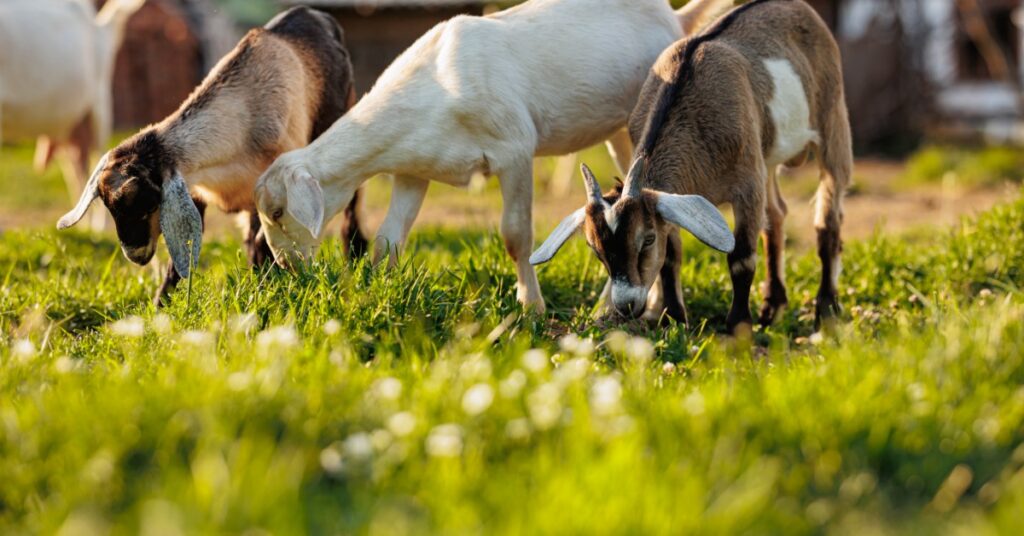
Is your pasture overgrown with invasive weeds and scrubby brush, and you’re not sure what to do about it? You don’t want to use herbicides that could contaminate the grass and plants your animals eat. So, then, what are your options?
Well, have you considered goats? Yes, this is an unconventional option compared to mowing and manual clearing, but it can be highly effective. If you already have goats on your property, getting started is easy! If not, you can purchase or rent a herd to manage your overgrown land. Here are the many benefits of goat grazing for land management to consider.
Goats Can Reach Areas Equipment Struggles With
Not every overgrown area is easy to mow. Steep slopes, uneven ground, narrow fence lines, and rocky patches can be difficult or unsafe to manage with larger equipment. Goats can move through those spaces with much less disruption to the land.
That makes them especially useful for the awkward parts of a property that tend to get neglected. Instead of trying to force a mower into a tight or unstable area, goats can browse through the brush at their own pace. For landowners dealing with rough pasture edges or hard-to-access growth, that can make regular maintenance much easier to keep up with.
Goats Target the Plants Other Animals Won’t Touch
Horses and chickens graze. Goats browse. While horses and chickens stick close to the ground and focus on grasses, goats actively seek out woody shrubs, thorny brambles, and broadleaf weeds. They’re not just eating what’s convenient. They’re going after the stuff that’s been taking over your land for years. Multiflora rose, poison ivy, blackberry canes, and thistle? All on the menu. That selective feeding is exactly what makes goats so useful for land that’s gotten away from you.
Overrun Pastures Get a Real Reset
When invasive plants and aggressive weeds take hold, they don’t just look bad. They crowd out the grasses your horses or chickens actually need.
Goats work through that overgrowth in a way that’s tough to replicate with equipment. They strip leaves, chew through stems, and return to the same plants repeatedly until the root system weakens. Over a single grazing season, a group of goats can dramatically reduce weed pressure in a pasture. The grasses you actually want have more room to grow back once that competition is gone.
No Chemicals Required
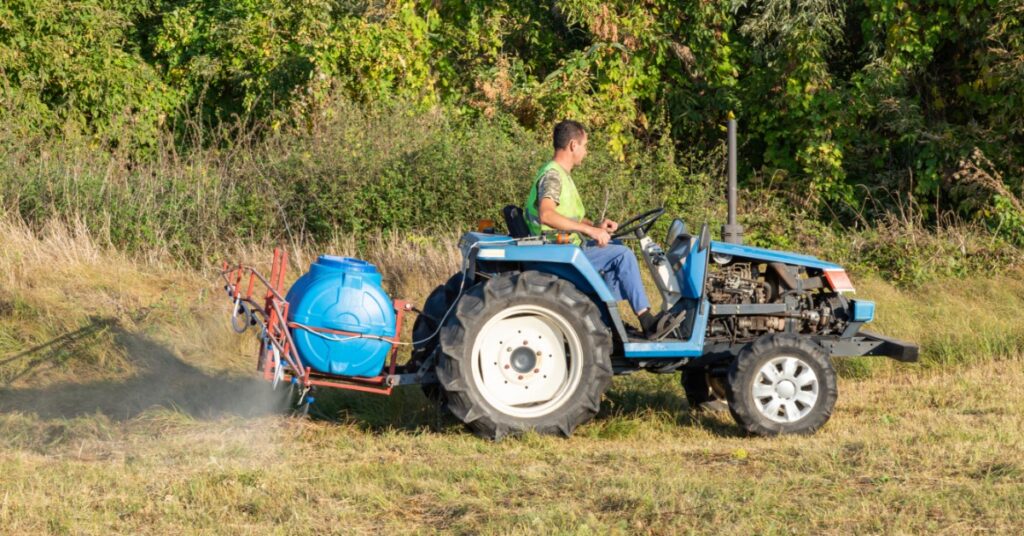
This one’s a big deal if you share land with horses or free-ranging chickens.
Herbicides can linger in soil and plant tissue longer than most labels suggest. The residue question gets complicated when other animals are grazing the same area. Goats give you a biological alternative that doesn’t leave anything behind. They eat the plant. The plant is gone. No waiting period, no residue concerns, no wondering whether your horse is grazing somewhere that was recently sprayed. For mixed-use pastures, that peace of mind is genuinely hard to put a price on.
The Work Happens Without You
Want a land management strategy that doesn’t require you to spend a weekend behind a brush hog? Here you go.
Goats graze on their own schedule, covering ground at their own pace, with no fuel costs and no equipment maintenance. You set up appropriate fencing, give them access to water, and let them do their thing. Day after day, they chip away at the problem without any input from you.
Soil Health Gets a Boost Along the Way
Here’s something most people don’t think about until they start noticing better grass growth in the areas goats have grazed.
As goats move through a pasture, their hooves lightly till the top layer of soil. Their manure adds nitrogen and organic matter back into the ground. That combination encourages microbial activity and supports the soil structure that healthy grass depends on. It’s not a substitute for a full soil management program, but it’s a benefit that comes along for free while the goats are already doing their primary job.
Fire Risk Goes Down When Vegetation Is Managed
Dry, overgrown pastures are a fire hazard. Tall, dense brush holds heat and gives wildfires something to move through quickly. Goats reduce that fuel load by keeping vegetation shorter and less dense across the areas they graze. In regions where fire season is a concern, that reduction in dry plant material can make a meaningful difference in how fast a fire might spread. If your property borders wooded areas or sits in a drier climate, this benefit alone is worth factoring into your decision.
Goats and Horses Can Share Space Peacefully
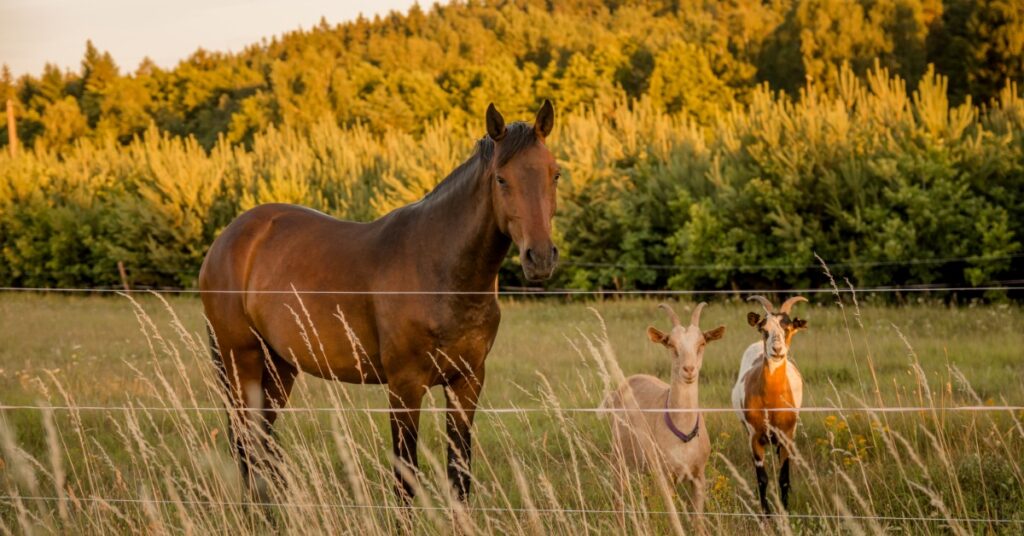
Worried that introducing goats to a horse property is asking for chaos? Surprisingly, it usually isn’t.
Goats and horses aren’t natural competitors. They eat differently, move differently, and generally ignore each other once the novelty wears off. In fact, horses are known to find goat companions calming. The two species can coexist in adjacent paddocks or even shared pastures with the right setup. The main thing to sort out is fencing, since goats are escape artists and need more secure containment than horses typically do. Get the fencing right, and the two species coexist without drama.
Rotational Grazing Becomes More Effective with Goats in the Mix
If you already rotate your horses through paddocks to protect your grass, adding goats into that rotation adds another layer of effectiveness.
When horses move out of a paddock, goats can move in to work through whatever weeds and woody growth got a foothold during the grazing cycle. By the time that paddock is ready for horses again, the weed pressure is lower and the desirable grasses have had space to recover. That kind of targeted follow-up is hard to achieve with mowing alone because mowers don’t discriminate. Goats do.
What You Get Is a Living Land Management Tool
As you can see, there are a ton of benefits of goat grazing for land management! Goats are browsers and will happily gobble up all the invasive weeds and woody brush in your pasture while giving your desirable grasses room to recover. That said, only some types of goats should go to pasture. Others, like dairy breeds and certain dwarf varieties, will need to be fed forage tested for optimal nutrition and performance.
At Lucerne Farms, we hand-grow forage feed for farm friends like horses. If you need high-quality hay that’s both delicious and nutritious and designed with your animals in mind, shop our selection today!