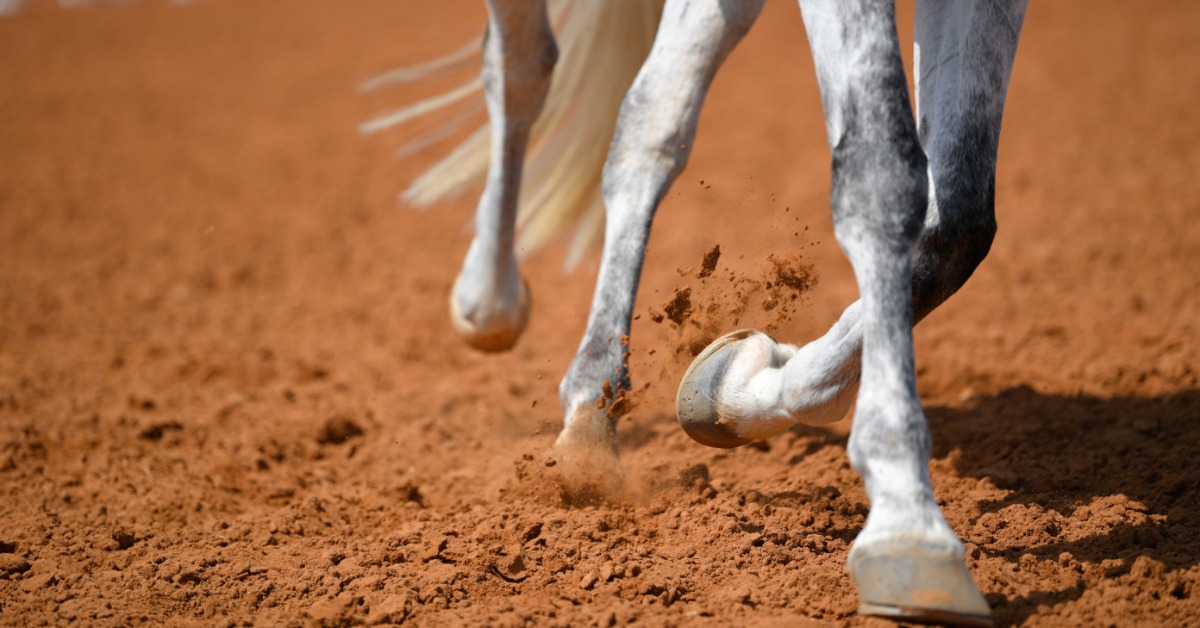
Horses have large, complex joints that are under constant pressure every single day. If you have a horse with stiffness or a history of joint issues, you may wonder if there are any supplements you can incorporate into their diet to reduce inflammation and keep them moving comfortably. Lucerne Farms is here to teach you about eight common natural supplements for horse joint health and how they work to protect cartilage, support synovial fluid production, and ease discomfort.
Glucosamine: The Cartilage Builder
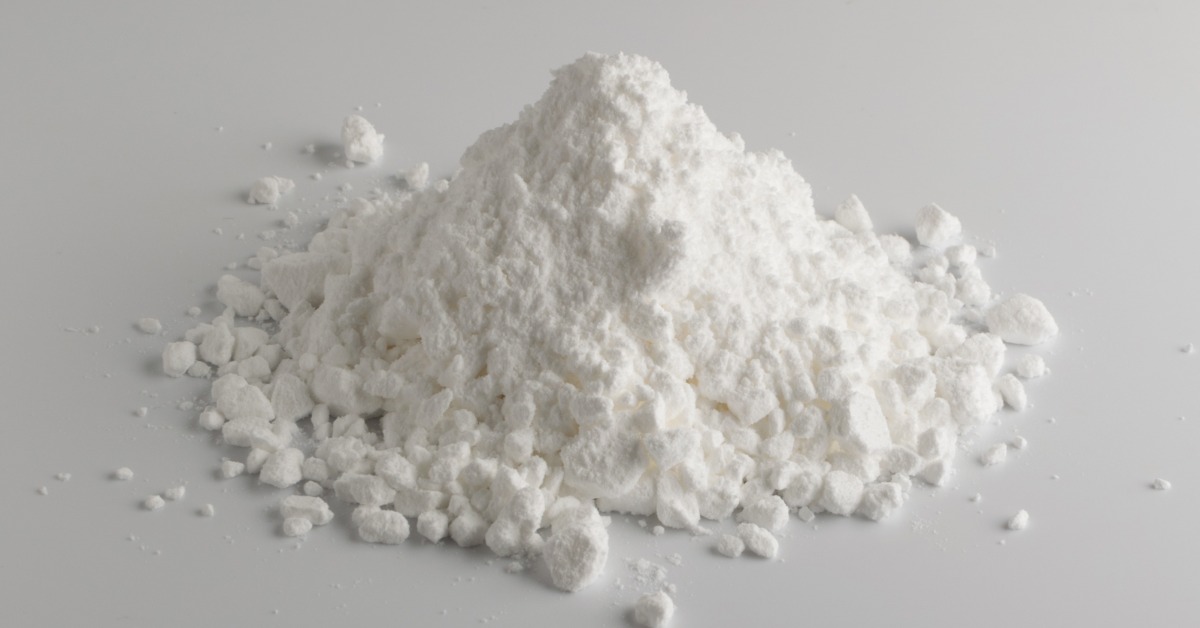
Glucosamine is one of the most researched joint supplements in both human and equine nutrition. Your horse’s body produces glucosamine naturally, but production slows as they age or when joints are under repeated stress. The supplement steps in to replace what’s being lost.
Glucosamine works by providing the raw material cartilage needs to repair itself. When cartilage wears down faster than the body can rebuild it, that’s when stiffness and pain start showing up in your horse’s movement. Supplementing with glucosamine gives the joint tissue something to work with. You’ll often see it paired with chondroitin because the two compounds work together in a way that neither does quite as well on its own.
Chondroitin: Keeping Cartilage Hydrated
Chondroitin sulfate is a structural component of cartilage, and its main job is to keep that tissue hydrated and resilient. Think of cartilage like a sponge. When it loses moisture, it gets brittle and compresses too easily under weight.
Chondroitin attracts water molecules into the cartilage matrix, which keeps the tissue from breaking down as quickly under the pressure of daily movement. It also blocks certain enzymes that break down cartilage, giving damaged tissue more of a fighting chance to recover. When your horse’s diet includes chondroitin alongside glucosamine, the two create a more complete environment for cartilage to stay intact longer.
Omega-3 Fatty Acids: The Inflammation Tamers
Inflammation is your horse’s body responding to stress or injury. Some inflammation is necessary, but when it becomes chronic, it damages tissue rather than protecting it.
Omega-3 fatty acids work by reducing the production of pro-inflammatory compounds in the body. Flaxseed is the most common plant-based source for horses, and it’s a practical option because it’s easy to add to feed in ground or whole form. Fish oil is another source and tends to have a higher concentration of the specific fatty acids that directly affect inflammation pathways.
If your horse has ongoing joint discomfort, adding an omega-3 source to their diet is one of the more straightforward ways to address what’s driving the pain at a cellular level.
Hyaluronic Acid: Lubricating the Joint from the Inside
Synovial fluid is what keeps your horse’s joints moving without grinding. Hyaluronic acid is a key component of that fluid, and it’s responsible for giving the fluid its thick, lubricating texture. When hyaluronic acid levels drop, the fluid thins out and the joint loses some of its cushioning.
Oral hyaluronic acid supplements are a little tricky because digestion can break down part of the ingredient before your horse uses it. Even so, some horse owners use oral formulas for longer-term joint support. Injectable forms are also available and work more directly inside the joint, but that’s a conversation for your vet.
Collagen: Supporting the Whole Joint Structure
Collagen is the most abundant protein in connective tissue, and it shows up throughout your horse’s joints in ligaments, tendons, and the cartilage itself. As horses age or push through high-impact work, collagen fibers in the joint break down faster than the body rebuilds them.
Hydrolyzed collagen is broken down into smaller peptides, which makes it easier for your horse’s body to digest and use. Those peptides provide building blocks for connective tissue, including the cartilage that cushions joints. For horses recovering from soft tissue strain or dealing with age-related joint wear, collagen may support the body’s normal repair process without asking the supplement to do the whole job on its own.
Turmeric: The Natural Anti-Inflammatory Spice
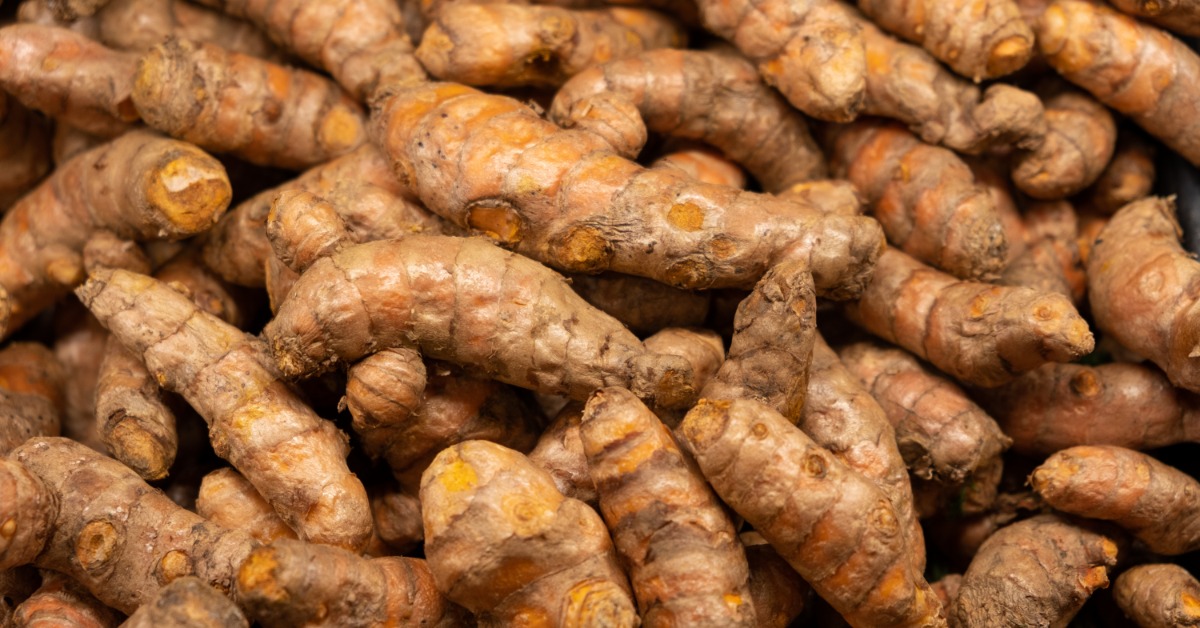
Turmeric has made its way into horse supplement routines largely because of curcumin, the active compound that gives the spice its yellow color. Curcumin has anti-inflammatory properties and works by blocking specific signaling pathways that trigger inflammation in the body.
The catch with turmeric is bioavailability. Curcumin on its own doesn’t absorb particularly well in the equine digestive system. If you’re adding turmeric to your horse’s feed, pairing it with a fat source can improve curcumin absorption and make the supplement more useful for joint support.
MSM: Reducing Oxidative Stress in Joint Tissue
Methylsulfonylmethane, or MSM, is a naturally occurring sulfur compound found in plants and animals. Sulfur is a building block for collagen and other connective tissue proteins, so MSM’s role in joint health starts at the structural level.
Beyond that, MSM has antioxidant properties that reduce oxidative stress in joint tissue. Oxidative stress is essentially cellular damage caused by free radicals, and it accumulates in joints that are under repeated strain. MSM also has a mild anti-inflammatory effect that complements what glucosamine and chondroitin do. It’s one of the more affordable joint supplements available, and it absorbs well when added to feed.
Pre, Pro, and Postbiotics: The Gut-Joint Connection
According to Penn State, pre, pro, and postbiotics can be incredibly beneficial for horses. These compounds primarily support the microbial balance in the digestive tract. But gut health can indirectly affect joint health because a disrupted gut microbiome triggers systemic inflammation that reaches far beyond the digestive system.
When the lining of the gut becomes compromised, it allows inflammatory compounds to enter the bloodstream. Those compounds travel to joints and contribute to the same inflammatory cycle that breaks down cartilage over time.
Prebiotics feed beneficial bacteria, probiotics introduce them, and postbiotics are the byproducts those bacteria produce that support immune function. Keeping the gut balanced is one of the less obvious ways to lower the inflammatory load your horse’s joints are dealing with.
Your Horse, Your Call
Most horses don’t need supplements. But certain horses can benefit greatly from them, such as those managing arthritis, horses that are in heavy athletic training, or older horses who are losing joint flexibility with age. If you’re unsure if your horse could benefit from natural supplements for joint health, talk to your veterinarian. They can evaluate your horse’s current condition and recommend a supplement plan that fits what’s actually going on in the body.
If your horse needs extra fiber in their diet, consider feeding them Lucerne Farm’sHi-Fiber Gold. This forage blend is low in sugar and packed with the digestible fiber horses need to support gut function and overall health. Horses prone to laminitis, horses in light work with lower caloric needs, and easy keepers are some types of horses that could potentially see the benefit Hi-Fiber Gold provides. Shop now!