COPD, or chronic obstructive pulmonary disease, is a condition that affects the lungs and makes breathing difficult. It occurs in humans, but animals like horses can develop similar respiratory problems, too.
Today, veterinarians generally refer to COPD in horses as severe equine asthma, previously known as recurrent airway obstruction or heaves. Horses with this condition experience inflammation and narrowing of their airways, which interferes with normal breathing.
But how do you recognize that a horse has COPD and get it treated? Here are 10 steps for identifying symptoms and managing this chronic condition.
Recognize Persistent Coughing
One of the first signs of COPD in horses is a persistent cough. You may notice your horse coughing when they begin exercising or shortly after eating hay.
Unlike an occasional cough caused by temporary irritation, coughing associated with equine asthma tends to return. The frequency varies depending on how much airborne dust your horse encounters.
Some horses cough only a few times before their symptoms become more pronounced. Others experience repeated coughing episodes throughout the day.
If your horse develops a recurring cough, don’t dismiss it as a minor irritation. A veterinarian should investigate the cause before the respiratory problem worsens.
Watch for Changes in Breathing
Horses with severe equine asthma have difficulty moving air through their narrowed airways. As their condition progresses, you may notice that breathing requires more physical effort.
One characteristic symptom is increased abdominal movement during exhalation. Your horse uses their abdominal muscles to push air out of their lungs, causing their flanks to move more noticeably.
Over time, repeated muscular effort may produce a visible ridge along the abdomen called a heave line.
Watch your horse while they’re resting. Labored breathing without physical exertion warrants veterinary evaluation, and severe respiratory distress requires immediate veterinary care.
Notice Reduced Exercise Tolerance
Respiratory problems may become apparent when your horse exercises. Since inflamed airways restrict airflow, physical activity becomes increasingly demanding.
For example, a horse that previously tolerated extended trotting sessions may begin breathing heavily after a much shorter period. You may notice that they need additional recovery time before their breathing returns to normal.
Some horses become reluctant to exercise because they’re struggling to get enough air.
If your horse develops these symptoms, avoid pushing them through their normal routine. Continuing strenuous exercise while they’re experiencing respiratory distress places additional demands on their already compromised lungs.
Check for Nasal Discharge
Nasal discharge is another symptom associated with equine asthma. Inflammation within the respiratory system stimulates mucus production, which contributes to airway obstruction.
You may notice a small amount of whitish mucus around your horse’s nostrils. However, some affected horses produce little visible discharge because mucus remains deeper within their airways.
The presence of nasal discharge alone doesn’t establish a COPD diagnosis. Respiratory infections may produce similar symptoms, so your veterinarian needs to determine what’s causing the problem.
Schedule a Veterinary Examination
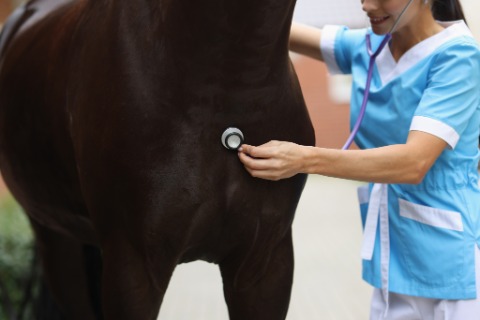
Once you notice respiratory symptoms, a veterinarian can determine whether your horse has severe equine asthma or another condition.
The examination typically begins with questions about your horse’s symptoms and living environment. Your veterinarian will then assess their breathing and listen to their lungs.
In some cases, additional testing is necessary. Bronchoalveolar lavage, for example, involves collecting fluid from the lower respiratory tract to examine the cells associated with airway inflammation.
These findings allow your veterinarian to identify the underlying problem and recommend appropriate treatment.
Since other respiratory diseases produce similar symptoms, an accurate diagnosis should come before long-term treatment.
Discuss Respiratory Medications
Veterinarians prescribe medications to control airway inflammation and relieve breathing difficulties associated with severe equine asthma.
Corticosteroids reduce inflammation within the respiratory tract. Depending on your horse’s condition, your veterinarian may prescribe an inhaled medication that delivers treatment directly into the airways.
Bronchodilators serve another purpose. They relax the muscles surrounding the airways, allowing air to move through more easily.
However, medication alone won’t adequately control COPD if your horse continues encountering the allergens responsible for their symptoms.
Your veterinarian will determine which medications are appropriate and how long treatment should continue. Never administer respiratory medications without veterinary guidance.
Reduce Dust in Their Forage
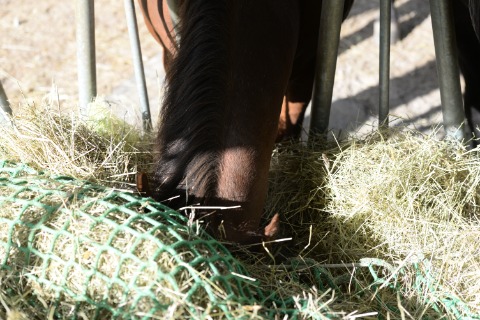
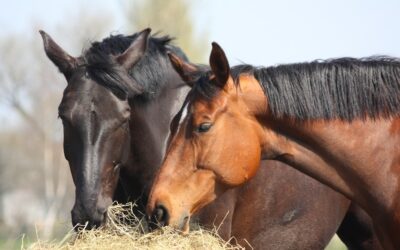
Dry hay is a common source of respiratory irritation for horses with COPD. As your horse eats, airborne particles from the forage enter their respiratory system and may trigger inflammation.
Consequently, reducing dust exposure during feeding is an important part of managing severe equine asthma.
Depending on your horse’s sensitivity, your veterinarian may recommend properly steamed hay or an alternative forage with lower dust exposure. Soaking hay reduces some airborne particles, although it won’t adequately control symptoms in every affected horse.
Any dietary changes should preserve your horse’s nutritional requirements. They still need sufficient fiber to maintain digestive health.
Replace Dusty Stall Bedding
Your horse’s bedding can contribute to respiratory irritation, especially when it releases fine particles into the air.
Straw bedding is particularly problematic for horses with severe equine asthma because it may contain substantial amounts of dust and mold spores.
A lower-dust bedding material reduces the concentration of particles your horse encounters while resting. Certain commercially processed wood shavings are suitable alternatives, provided they’re manufactured for low dust production.
Regular stall maintenance remains necessary, regardless of the bedding material.
Ideally, your horse shouldn’t be present while you’re removing soiled bedding or adding fresh material. These activities temporarily increase the amount of airborne dust inside the stall.
Improve Stable Ventilation
If your horse is struggling with COPD, one thing you should investigate is whether their stable has adequate ventilation.
According to Penn State’s guidance on horse stable ventilation, inadequate ventilation is a common problem in modern horse facilities. Proper airflow is necessary to remove airborne contaminants that contribute to respiratory irritation.
A well-ventilated stable allows fresh outdoor air to enter while stale indoor air escapes. Simply running a fan inside an enclosed barn doesn’t provide the same air exchange.
During colder weather, avoid sealing the stable completely to retain warmth. Horses still need fresh air circulating through their stalls throughout the year.
Monitor Symptoms During Recovery
Severe equine asthma requires ongoing management because the underlying respiratory sensitivity doesn’t disappear after treatment.
Once your horse begins improving, continue observing their breathing and coughing frequency. Their response to treatment provides useful information about how effectively their symptoms are controlled.
A return of persistent coughing may indicate renewed exposure to respiratory irritants. In that situation, your veterinarian may need to reassess the treatment plan.
Follow-up appointments allow your veterinarian to evaluate your horse’s progress and adjust medications when necessary.
With consistent environmental management, many affected horses experience substantial improvement and return to comfortable daily activity.
Support Your Horse’s Respiratory Health
This guide to identifying and treating COPD in horses is designed to make it easier for horse owners like you to recognize when something may be wrong with their animal’s breathing! However, a veterinarian is the best person to diagnose the condition and recommend appropriate treatment. If you notice signs of respiratory distress in your horse, arrange a veterinary examination.
At Lucerne Farms, we sell high-fiber hay for horses. Horses with COPD struggle with dry, dusty hay, so choosing forage that produces less airborne dust can reduce irritation during feeding. Shop our forage selection and find a feeding option that supports your horse’s nutritional needs!