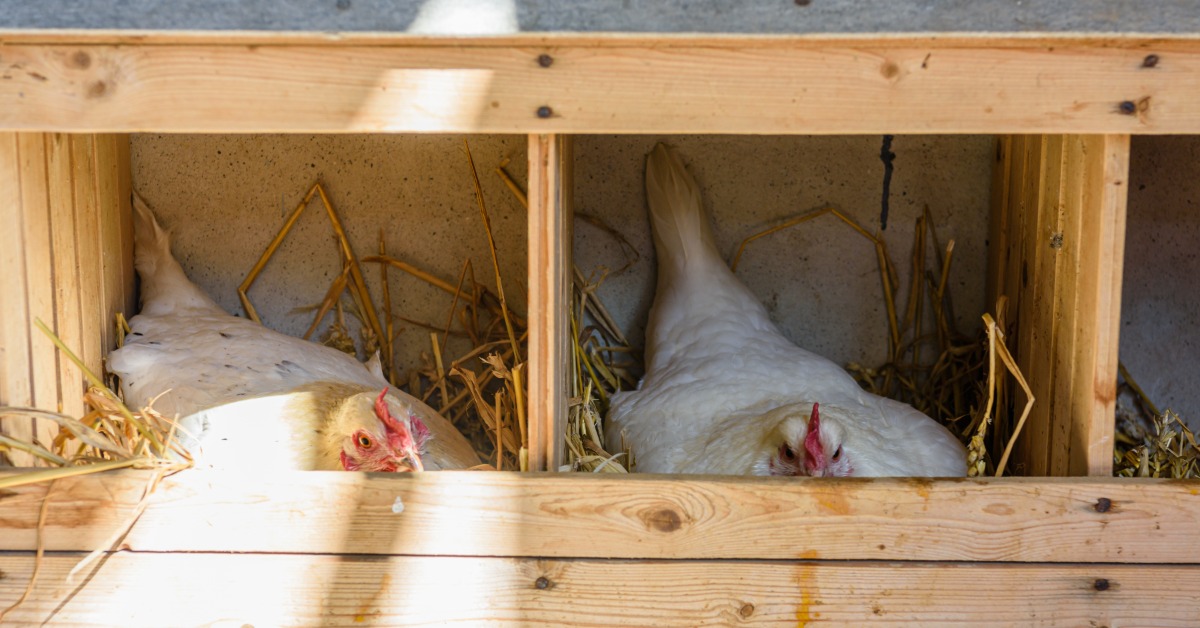
Choosing bedding for your chicken coop involves thinking about what your chickens walk on, how moisture accumulates, and how frequently you want to clean. Different materials absorb moisture at different rates, and their textures affect how easily you can remove soiled bedding.
With so many options available, it’s worth understanding what each material brings to your coop before filling the floor. The bedding materials you choose for your chicken coop affect its overall cleanliness and your chickens’ daily comfort. Let’s look at nine options, including their advantages and drawbacks, so you can decide what works for your setup.
Pine Shavings
Pine shavings are a popular bedding choice because their wood fibers absorb moisture from chicken droppings. As moisture enters the flakes, it spreads through the absorbent material rather than remaining entirely on the floor.
The size of the shavings affects how they perform. Larger flakes leave more space between individual pieces, making the bedding easier to turn and less dusty than finely shredded wood. Kiln-dried shavings are a good option because they contain less moisture when you first spread them.
Pros:
- Affordable for regular bedding changes
- Absorb moisture effectively
- Easy to purchase in large bags
Cons:
- Fine shavings produce airborne dust
- Damp flakes need frequent removal
Aspen Shavings
Aspen shavings share many characteristics with pine, but their lack of strong aromatic oils makes them a good alternative for owners who want bedding with a milder scent. The wood has a relatively soft texture and absorbs moisture through its natural fibers.
Aspen shavings retain their loose consistency during ordinary use, allowing chickens to scratch through the bedding without encountering tightly packed material. Their main drawback is the price, since aspen frequently costs more than pine. Buying larger quantities may prove difficult if local agricultural suppliers don’t carry it.
Pros:
- Mild natural scent
- Soft bedding surface
- Good moisture absorption
Cons:
- More expensive than pine
- Limited availability in bulk
Hemp Bedding
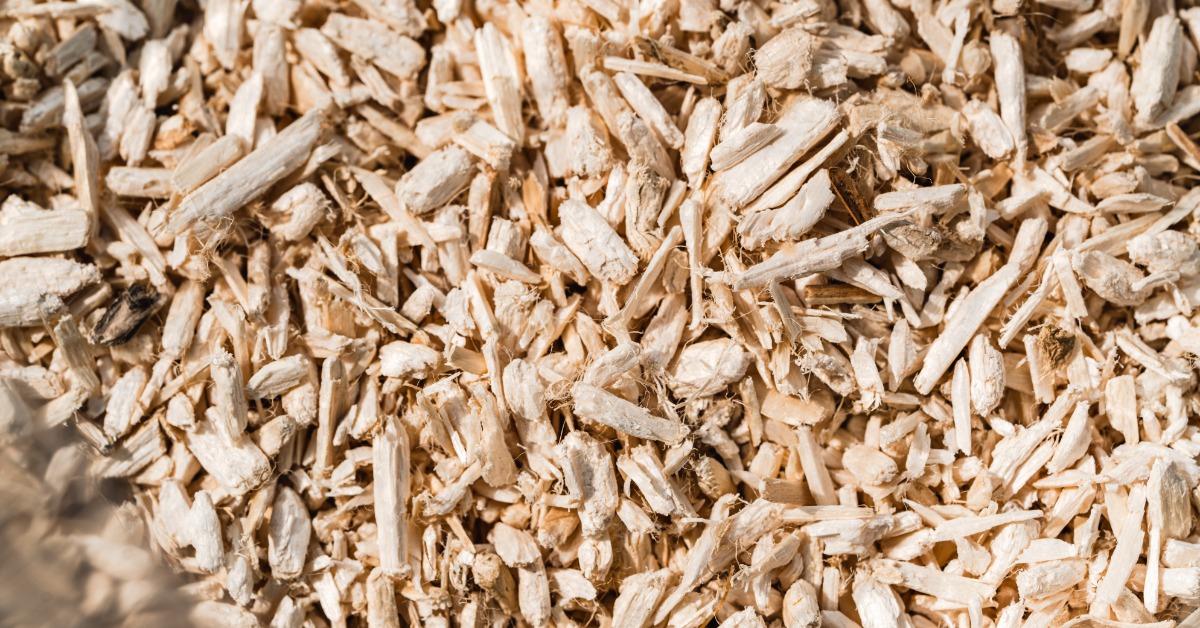
Hemp bedding comes from the woody center of hemp stalks, which manufacturers process into small pieces. These plant fibers have excellent absorbency, making hemp particularly effective at managing moisture accumulation inside the coop.
The material takes in liquid and retains it within its structure, leaving less free moisture on the bedding surface. Because hemp absorbs substantial amounts of liquid, you may find that clean sections remain usable longer between complete bedding changes. Saturated areas still need attention, though, since absorbent material eventually reaches its capacity.
Pros:
- Excellent liquid absorption
- Relatively low dust production
- Biodegradable plant material
Cons:
- Higher purchase price
- Less widely available than wood shavings
Chopped Hay
Chopped hay consists of dried grasses cut into relatively short pieces. Unlike long-stem hay, the smaller lengths spread evenly without forming large bundles, so you can maintain a consistent bedding depth.
The shorter pieces create a soft surface that chickens can scratch through. However, hay readily retains moisture, so you’ll need to store it somewhere dry before use. Thoroughly dried hay maintains its texture longer, while damp material encourages mold development.
Pros:
- Soft texture underfoot
- Easy to spread evenly
- Compostable after use
Cons:
- Moisture encourages mold growth
- Requires dry storage conditions
Sand
Sand is a bedding option that allows you to scoop droppings from the surface rather than replace sections of soiled material. Since sand doesn’t absorb moisture the way plant-based bedding does, liquid drains through the grains when the coop has proper drainage.
Coarse, washed construction sand is better suited for chicken coops than fine play sand because its larger grains produce less airborne dust. Once you’ve spread the sand across the floor, you can remove droppings with a litter scoop during daily cleaning. The main drawback is its weight, since transporting and spreading sand requires more effort than handling wood shavings or straw.
Pros:
- Convenient daily waste removal
- Reusable between cleanings
- Doesn’t require frequent complete replacement
Cons:
- Heavy to transport
- Needs effective drainage beneath the surface
Shredded Paper
Shredded paper absorbs moisture through its cellulose fibers, making it an inexpensive option for repurposing clean household paper. When dry, the individual strips create a lightweight bedding layer that’s simple to spread.
Paper’s structure changes quickly after absorbing liquid. Wet strips soften and stick together, forming clumps that lose their original texture. Because of this, shredded paper works best for owners who don’t mind replacing bedding frequently. Plain, uncoated paper is the best material to use, avoiding glossy finishes and potentially unsuitable inks.
Pros:
- Very low material cost
- Lightweight during cleaning
- Suitable for composting
Cons:
- Clumps together when wet
- Requires frequent replacement
Dried Leaves
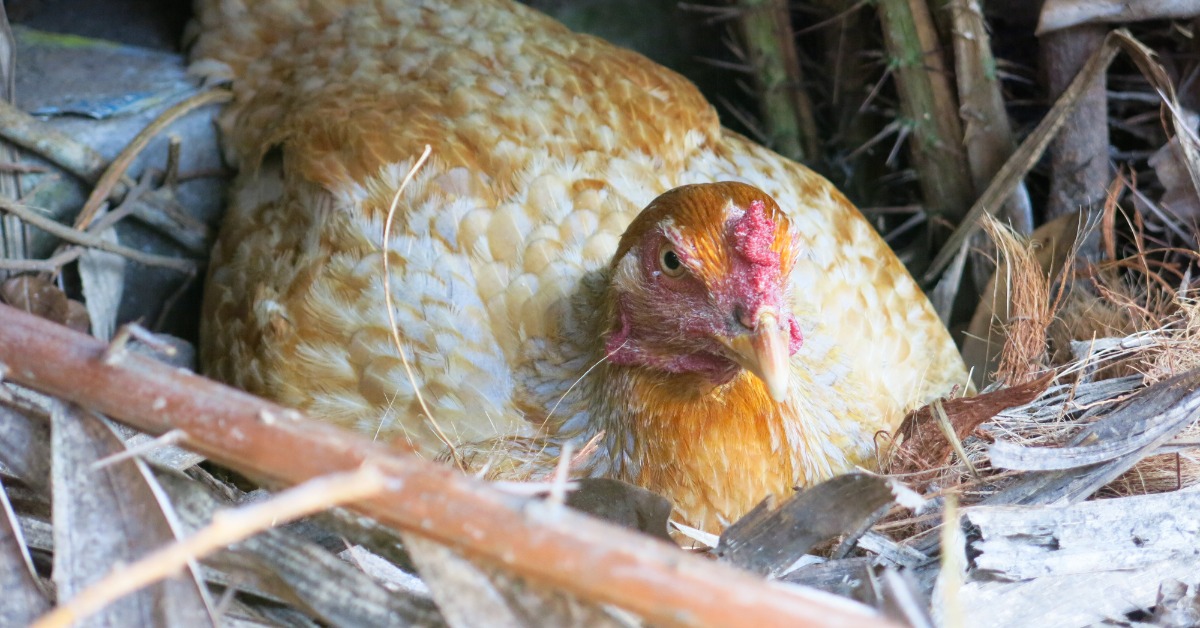
Dried leaves are a seasonal bedding option that makes use of materials already available around many properties. Their lightweight structure creates a loose covering that chickens can move through while scratching.
Leaf size affects how well the bedding maintains its texture. Large, whole leaves tend to overlap and flatten, while shredded leaves distribute more evenly across the floor. Keeping the material thoroughly dry is important because accumulated moisture causes the leaves to compact into dense layers. Leaves collected from untreated areas avoid introducing unwanted lawn chemicals into the coop.
Pros:
- Little to no purchase cost
- Encourages scratching behavior
- Breaks down readily in compost
Cons:
- Seasonal availability
- Wet leaves compact easily
Flax Bedding
Flax bedding comes from processed flax stalks and contains short, absorbent plant fibers. Its relatively fine texture creates an even surface without the bulk associated with longer straw.
The fibers take in moisture while remaining loose enough for routine turning. This makes flax convenient when you want bedding that absorbs liquid without forming large tangled sections. The main obstacle is availability, since flax bedding isn’t stocked by every agricultural supplier. Pricing may be higher than traditional wood shavings depending on where you purchase it.
Pros:
- Good moisture absorption
- Easy to turn during cleaning
- Biodegradable fibers
Cons:
- Limited local availability
- Higher cost in some areas
Chopped Corn Cob Bedding
Chopped corn cob bedding uses the dried center of corn ears, which manufacturers grind into small granules. The pieces have an absorbent interior that draws in moisture from chicken droppings.
Unlike lightweight shavings, corn cob granules have enough weight to resist scattering when chickens move around. However, their ability to retain liquid creates a drawback when the bedding becomes saturated. Persistent dampness encourages mold, making prompt removal of wet areas important. Penn State Extension explains how to monitor ammonia in poultry housing, another concern associated with damp litter.
Pros:
- Absorbent granular texture
- Minimal scattering
- Easy to spread evenly
Cons:
- Mold risk when damp
- Requires attentive moisture management
Give Your Chickens Bedding They’ll Appreciate
When choosing bedding materials for your chicken coop, think about your current cleaning routine and whether your bedding stays dry between changes. A material that absorbs moisture efficiently can make regular maintenance much more convenient.
At Lucerne Farms, we understand how important a comfortable coop is for your flock. Our KOOP CLEAN chicken beddingcombines chopped hay and straw with natural zeolite to absorb moisture and neutralize odors. We’d love to help you create a cleaner, fresher space for your chickens with bedding made for their everyday needs.