
Starch is a carbohydrate found in grains and other plant-based foods your horse may eat. What does it do for your horse’s health? Should you embrace it or be wary of it? Here’s what you need to know about starch in horse feed before you decide how it fits into your horse’s diet.
Starch Is a Carbohydrate, Not A Villain
Before anything else, starch deserves a fair introduction. It’s a complex carbohydrate made up of glucose molecules linked together. When your horse eats it, the body breaks those links down and converts the glucose into energy.
That energy is what keeps your horse moving. For horses in heavy work or training, starch-rich feed can be a legitimate part of the diet. The problem isn’t the starch itself. It’s how much comes in at once and whether the horse’s digestive system can actually handle it.
Your Horse Digests Starch in the Small Intestine
Here’s where it gets interesting. Starch is supposed to be broken down in the small intestine, where enzymes convert it into glucose that gets absorbed into the bloodstream. That’s the normal, efficient route.
But horses have a relatively small stomach and a fast digestive transit time. If too much starch comes in at once, the small intestine gets overwhelmed and can’t process it all. What doesn’t get absorbed there moves into the hindgut, and that’s where the trouble starts.
The Hindgut Doesn’t Handle Starch Well
The hindgut is designed for fermenting fiber, not digesting starch. When excess starch lands there, the bacteria that live in the hindgut ferment it rapidly. The process produces lactic acid, which lowers the pH inside the cecum and colon.
If those areas become too acidic, beneficial fiber-digesting bacteria begin to die off. Your horse can then develop hindgut acidosis, a condition where the cecum and colon stay more acidic than they should and the normal bacterial balance breaks down.
Too Much Starch Can Trigger Laminitis

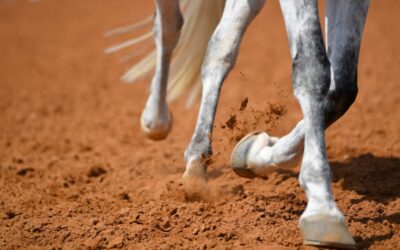
Laminitis is one of the most serious consequences of starch overload. When the hindgut pH drops and toxins enter the bloodstream, those compounds can disrupt blood flow to the hooves.
The laminae, which are the sensitive tissue layers inside the hoof that connect the hoof wall to the coffin bone, become inflamed. That inflammation is what causes the intense pain associated with laminitis. In severe cases, the coffin bone can rotate or sink. Once a horse has had laminitis, they’re more vulnerable to future episodes, so keeping starch intake in check becomes even more pressing after the first event.
Starch Levels Are Higher In Spring And Fall Pastures
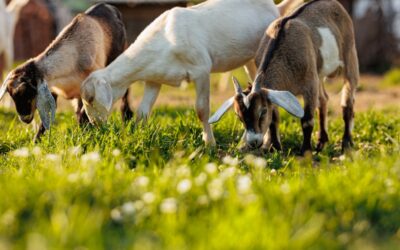
Pasture isn’t a fixed thing. The starch and sugar content of grass shifts throughout the year depending on temperature, sunlight, and the grass’s own growth cycle. In spring and fall, pastures naturally contain higher levels of nonstructural carbohydrates, which include both starch and simple sugars.
According to Penn State Extension, this elevated carbohydrate content can pose a higher risk for horses that are sensitive to starch and sugar, particularly those prone to laminitis or metabolic conditions. If your horse is on pasture during those seasons, that grazing time is contributing more starch to their diet than you might think.
Some Horses Are More Sensitive Than Others
Not every horse responds to starch the same way. Horses with Equine Metabolic Syndrome or Pituitary Pars Intermedia Dysfunction, commonly called PPID or Cushing’s disease, are more sensitive to dietary starch and sugar. Their ability to regulate insulin is already compromised, so excess starch can spike blood sugar and insulin levels in a way that a healthy horse would handle more smoothly.
Easy keepers, ponies, and donkeys also tend to run on the more sensitive end of the spectrum. If your horse fits any of those categories, starch isn’t just something to watch casually. It’s something to track deliberately.
Grain Processing Affects How Much Starch Gets Absorbed
Raw grain isn’t the same as processed grain when it comes to starch digestibility. Cooking, steaming, and extruding grain breaks down the starch granules and makes them easier for the small intestine to digest. That means more starch gets absorbed where it’s supposed to be absorbed, and less ends up in the hindgut.
Rolled or crimped grain sits somewhere in the middle. Whole, unprocessed grain is the least digestible form. So two feeds with the same starch percentage on the label can behave very differently in your horse’s digestive system depending on how the grain was prepared.
Hay Has Starch Too, Just Less of It

Hay tends to get a pass in conversations about starch because it’s so much lower than grain. That’s fair, but it’s not zero. Grass hay contains small amounts of starch, and legume hays like alfalfa contain some as well. For most horses, the starch in hay isn’t a concern.
For horses with metabolic conditions or a history of laminitis, even that lower level can matter if they’re eating large quantities throughout the day. Testing hay for nonstructural carbohydrate content is possible through forage analysis, and it’s something owners of sensitive horses benefit from doing.
Feeding Smaller Meals Reduces the Risk of Starch Overload
The digestive system your horse has wasn’t built for large, infrequent grain meals. In the wild, horses eat small amounts of forage almost continuously throughout the day. When you feed a large grain meal once or twice daily, you’re asking the small intestine to process a concentrated starch load in a short window.
Splitting that same amount of grain into smaller, more frequent servings gives the small intestine a better chance of absorbing the starch before it reaches the hindgut. If you can’t increase meal frequency, reducing the overall grain portion is the next best adjustment.
The Right Amount of Starch Depends on Your Horse’s Work Level
A performance horse burning through glycogen during intense training has different starch needs than a horse on light trail rides twice a week. Starch replenishes muscle glycogen, which is the stored energy muscles pull from during high-intensity exercise. For horses in that level of work, some starch in the diet is useful.
For horses in light or moderate work, the energy needs are lower and can often be met through quality forage alone. Feeding grain-heavy rations to an easy keeper or a lightly worked horse just adds excess starch without a corresponding energy demand to burn it off.
The Bottom Line on Starch
What you need to know about starch in horse feed is that it provides the energy that fuels your horses, but it should be consumed in moderation to prevent conditions like hindgut acidosis and laminitis.
If you want more control over the starch your horses are consuming, products like Lucerne Farm’s chopped forage for horses give you a forage-based option with more consistent carbohydrate levels. Pasture grass can shift season to season and vary by growth stage, so relying on it as your primary forage source introduces variability that’s hard to manage. A consistent forage product takes some of that guesswork out of the equation.