Have you been using one type of mulch for all your plants? Most people do, but it could be hurting your garden more than you’d think. There are several types of mulch out there, and each one works a little differently. Some retain more moisture for thirsty plants, others break down slowly to protect shallow roots. To help you choose the right mulch for different plant types, Lucerne Farms is here with a handy guide.
Why the Type of Mulch You Use Matters
Here’s the thing: mulch isn’t just mulch. The type you lay down changes how water moves through your soil, how warm your roots stay, and how much competition your plants get from weeds.
Pick the wrong one, and you could end up with roots that stay too wet or soil that compacts too quickly. Pick the right one, and your garden practically runs itself.
The Most Common Mulch Types and What They Do
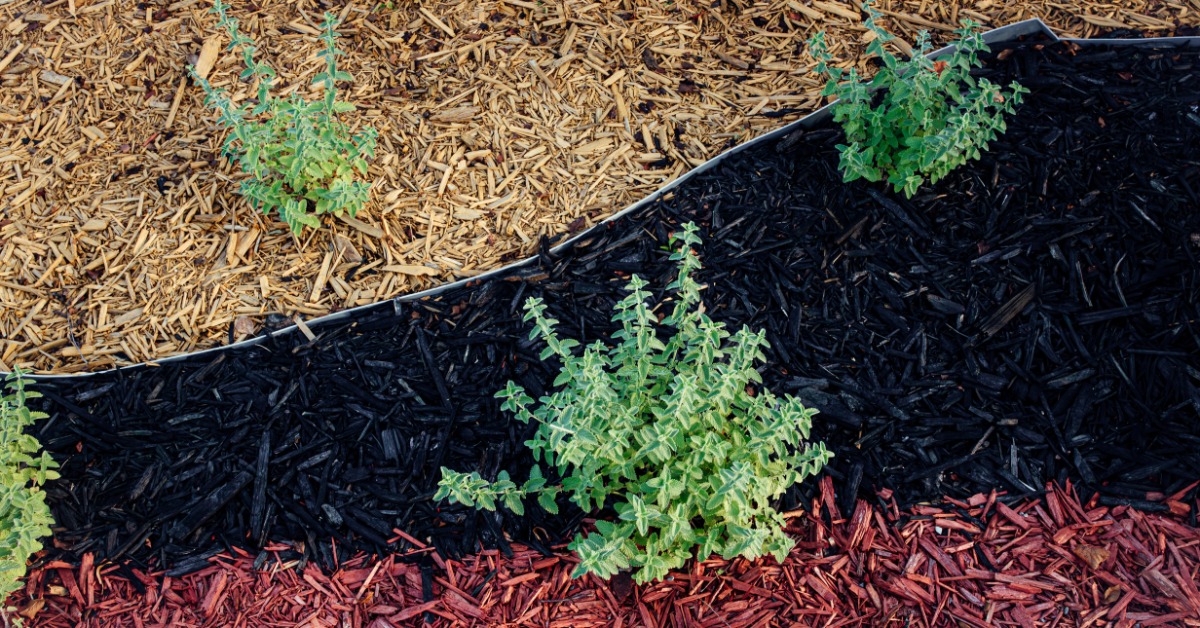
To start, let’s talk about the mulch options available to you! According to Penn State, the most popular types of mulch for home gardens and landscapes include organic options like wood chips, bark, straw, and shredded leaves, along with inorganic options like rubber and gravel.
- Wood chips: Break down slowly over time, which keeps weed pressure down for longer stretches. Because they decompose at a slower pace, they don’t need to be replaced as frequently as lighter organic options.
- Bark mulch: Similar to wood chips but finer in texture. It stays in place well and gives planting beds a cleaner appearance while still feeding the soil as it breaks down.
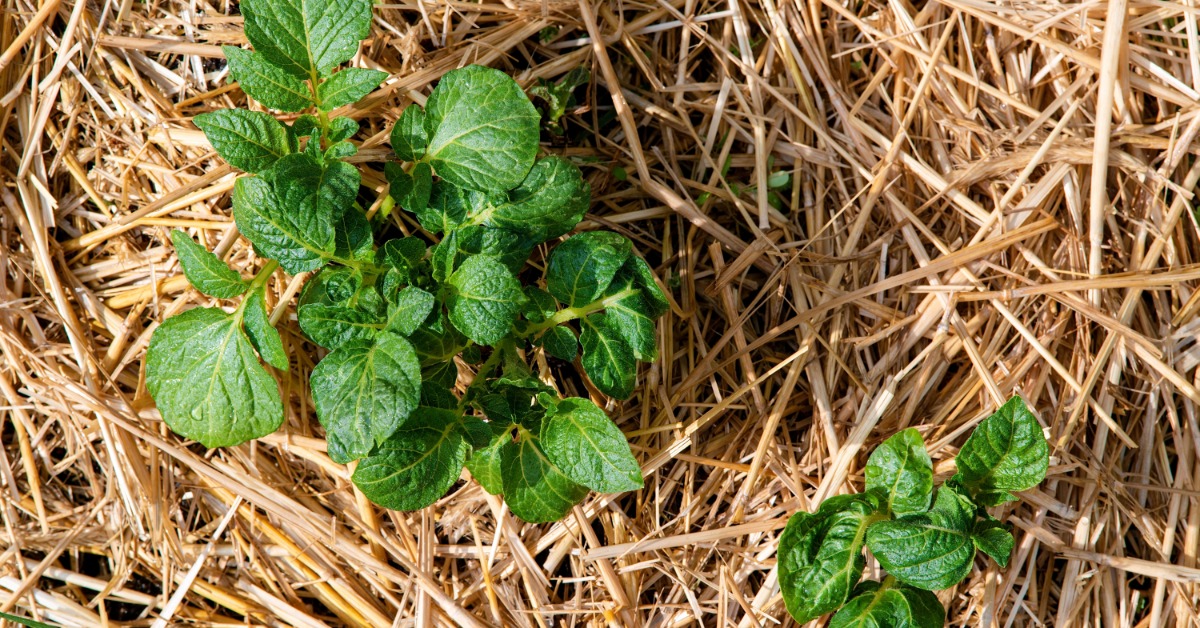
- Straw: Lightweight and breathable, which makes it a popular pick for vegetable gardens. It breaks down faster than wood-based mulches and adds organic matter back into the soil as it does.
- Shredded leaves: Free if you have trees nearby and genuinely one of the better options for moisture-sensitive plants. They decompose quickly and improve soil structure season after season.
- Hay/mulch hay: Covers ground quickly and decomposes into the soil over time. Works well for garden beds, pathways, and around a wide variety of plant types.
- Pine bark: Naturally acidic, so it shifts the soil pH slightly as it breaks down. Plants that prefer more acidic conditions do well with this one.
- Rubber mulch: Doesn’t decompose, so no nutrients return to the soil. Lasts a long time but works better for walkways and non-planting areas than active garden beds.
Once you know what each type does, picking the right one for your garden gets a whole lot easier.
How To Choose the Right Mulch for Different Plant Types
Now for the part where it all comes together. Different plants have different root systems, moisture needs, and soil preferences. What works beautifully around your fruit trees could actually work against your vegetable bed.
Vegetable Gardens
Vegetable gardens need mulch that keeps moisture in and breaks down to feed the soil as the season goes on. Straw is one of the most common picks because it’s light enough not to compact around tender plants. Shredded leaves work just as well if you have them available.
What you want to avoid in a vegetable bed is anything too dense or slow to decompose. Wood chips can work around the outside of raised beds, but laying them directly over the soil where you’re planting can make it harder for seedlings to push through.
Trees and Shrubs
Trees and shrubs are where wood chips and shredded bark really shine. These plants have deeper, more established root systems, so they need mulch that stays in place over time without frequent replacement.
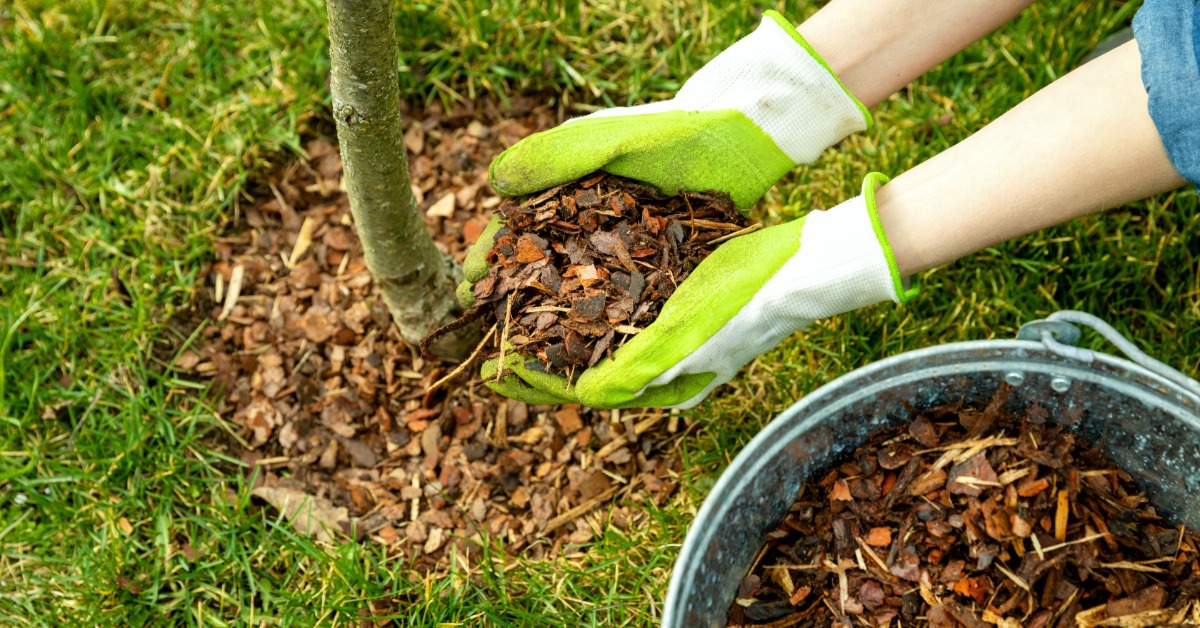
One thing to watch: don’t pile mulch directly against the trunk of a tree. That “volcano mulching” pattern you see in some yards traps moisture against the bark and invites rot and pests. Keep the mulch a few inches away from the base and spread it out toward the drip line instead.
Flower Beds and Perennials
Flower beds do well with a mulch that looks tidy and breaks down at a moderate pace. Shredded bark or fine wood mulch keeps the bed looking neat while still adding organic matter back to the soil over time.
If you’re growing perennials that come back each year, you want a mulch that won’t compact heavily over winter. A loose layer of straw or shredded leaves gives the roots some insulation without pressing down too hard during the colder months when the plants are dormant.
Fruit Trees and Berry Bushes
Fruit trees and berry bushes are a little pickier about soil pH. Use pine bark mulch for blueberries specifically. It leans acidic and blueberries prefer that environment. For other fruit trees, wood chips or straw both are both suitable as long as you keep the mulch pulled back from the base of the trunk.
Garden Pathways and Open Ground
Not every mulched area is an active planting bed. If you’re covering a pathway or a section of ground between beds, rubber mulch or gravel handles that job without needing replacement. Neither will feed your soil, but for areas where nothing is growing, that’s not the point.
Herbs and Container Gardens
Herbs are a little more sensitive to waterlogged soil than most plants, so you want a mulch that breathes. A thin layer of straw or shredded leaves works well here because it holds just enough moisture without sitting heavy over the roots. If you’re growing herbs in containers, a light top dressing of fine bark or straw keeps the soil from drying out too fast between waterings.
Seedlings and New Plantings
New plants haven’t had time to establish roots yet, so the mulch around them needs to be gentle. Anything too heavy can press down on young stems or slow the soil from warming up in spring. Straw is your best option for seedlings because it’s light enough to let air and warmth through while still keeping weeds from getting a foothold nearby.
The Right Mulch Pays Off Over Time
Now you know how to choose the right mulch for different plant types! While yes, it’s more work to use multiple types across your garden, doing so can result in better plant health, stronger root systems, and soil that builds up over each growing season.
At Lucerne Farms, we sell our homegrown mulch hay. Our all-natural, eco-friendly mulch works well with a variety of plant types so you can minimize how much time you spend replacing and refreshing your beds. Shop now!