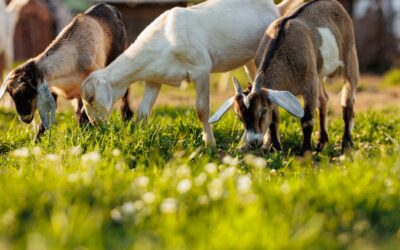
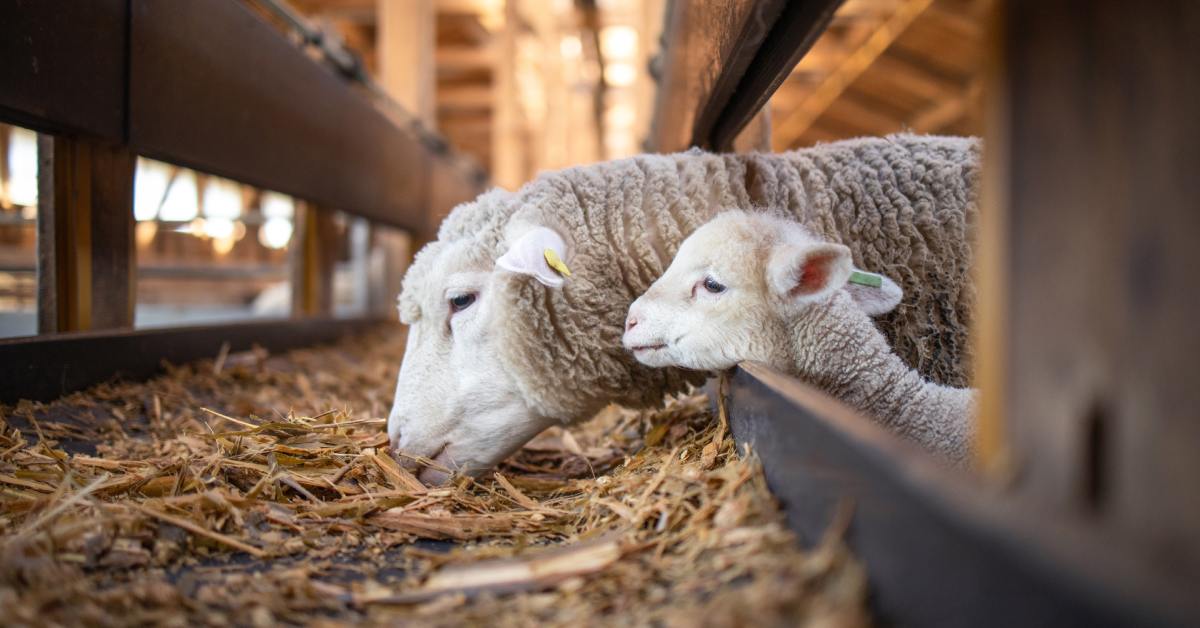
Sheep spend most of their day with their noses in grass, but that doesn’t mean every sheep can eat the exact same thing. A tiny lamb, a senior sheep, and a pregnant ewe all use feed very differently. When you start understanding dietary requirements for sheep, you start to notice which animals need extra support and which ones do fine on simple forage. With a few clear basics, you’ll feel more confident setting up a diet that fits each stage of life.
Baby Lambs
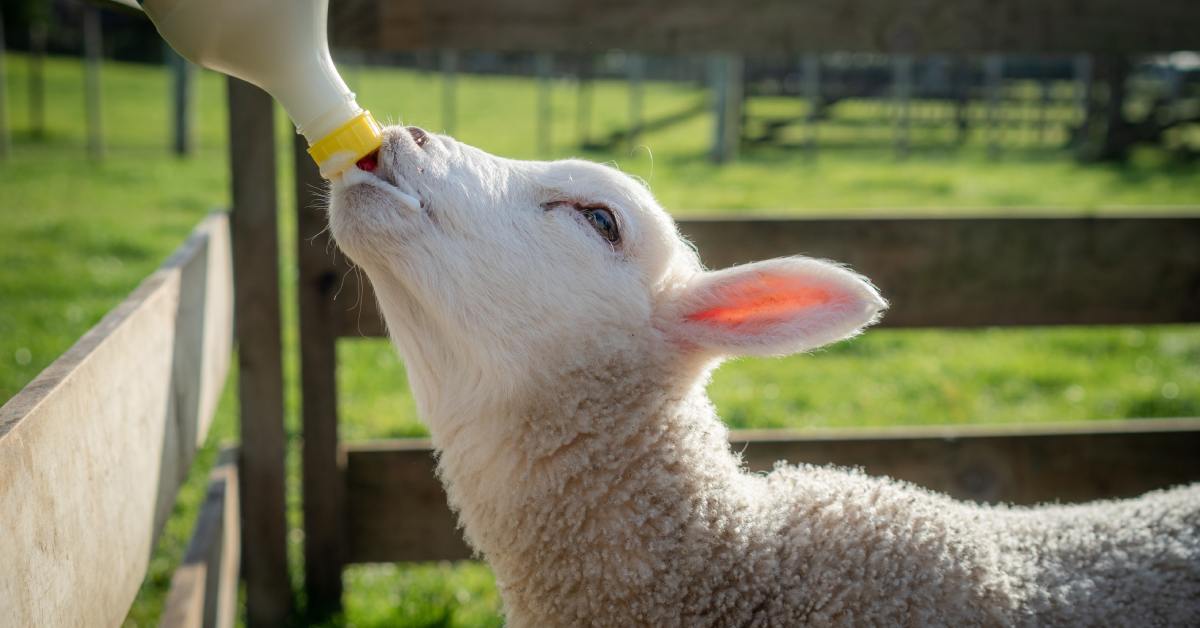
Young lambs have very different nutrition needs than mature sheep, so this stage deserves its own plan. Their digestive system is still developing, and what they eat now sets them up for healthy growth later. Careful feeding in the first few months helps them gain steadily without upsetting their stomach or causing avoidable health issues.
Colostrum and Milk Intake
Newborn lambs need colostrum within the first few hours after birth, since it delivers energy and antibodies they can’t get anywhere else. After that first day, they still rely on ewe milk or a quality milk replacer as their main food source. Lambs should nurse or drink often, because their stomachs are small and they burn through calories fast.
Starting Creep Feed and Fresh Water
By two to three weeks of age, lambs can start nibbling on a simple creep feed that supports rumen development. Feed that’s fresh, clean, and easy to reach encourages them to explore solid food without overeating. Lambs also need constant access to clean water and a basic mineral source, even while they’re still drinking plenty of milk.
Adult Sheep
Adult sheep need steady, balanced nutrition that maintains body condition, supports wool growth, and keeps their rumen working smoothly. Their diet centers on consistent fiber intake with the right amount of energy so they don’t drift into being too thin or overweight. A simple, well-planned routine helps you spot changes early, adjust feed as needed, and keep the whole flock in a healthy range year-round.
Forage as the Main Feed
Adult sheep should get most of their nutrition from good-quality pasture, hay, or haylage. Forage supports rumen health and keeps them chewing and moving throughout the day. Watch body condition and adjust how much forage they get if they start to look too thin or a little too round.
Grain and Extra Energy
Healthy adult sheep that maintain weight on forage alone often don’t need grain. When a sheep works harder, struggles to hold weight, or faces harsh weather, small grain or pelleted feed portions can boost energy. Introduce any grain slowly to protect the rumen.
Minerals, Salt, and Water
Adult sheep need a sheep-safe mineral source and plain salt, offered free choice. Fresh, clean water should always be available, even in cold weather. Dehydration or missing minerals can quietly affect appetite, growth, and overall health.
Pregnant Ewes
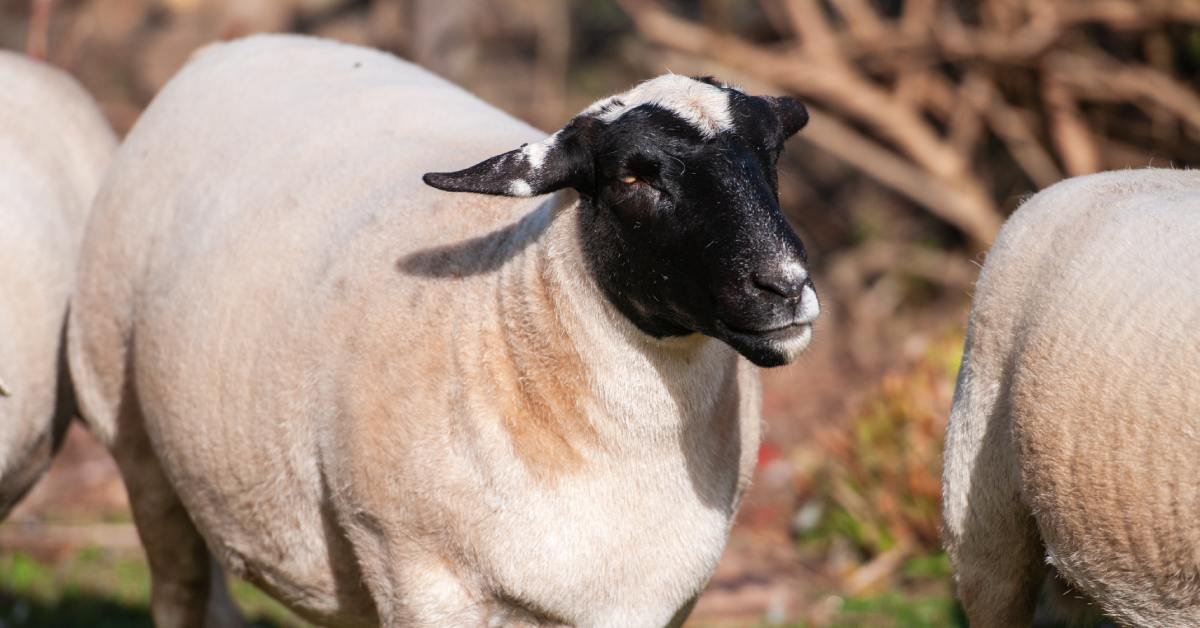
Pregnant ewes ask a lot more from their bodies than the rest of the flock. Their diet has to support their own health while growing one or more lambs at the same time. Careful attention to minerals, energy, and body condition keeps them strong through late pregnancy and ready for a smooth lambing and recovery.
Higher Calcium and Mineral Needs
Pregnant ewes require more calcium than nonpregnant sheep, according to specialists at Penn State. This is because developing lambs draw calcium for bone and muscle growth from the ewe’s body. These ewes also need the right balance of phosphorus to keep bones strong and muscles working the way they should. A sheep specific mineral mix supports those added demands.
Extra Energy in Late Gestation
During the last six weeks of pregnancy, lambs grow quickly and take up more room in the ewe’s abdomen. Forage still needs to stay at the center of the diet, but small, frequent grain or pelleted feed portions can help meet higher energy needs. Watch for sudden weight loss or gain and adjust feed with your vet’s guidance.
Watching Body Condition Closely
Body condition that’s too low or too high during pregnancy creates avoidable problems at lambing. Regular hands on checks over the ribs and loin give a better picture than fleece alone. Steady, moderate condition is the goal so the ewe has enough reserves for birth and early lactation without extra strain on her joints and organs.
Senior Sheep
Senior sheep often need a gentler, more customized diet than younger flock mates. As they age, teeth wear down, metabolism slows, and they may lose muscle more easily. A good feeding plan for older sheep focuses on keeping weight steady, supporting comfort, and making feed easy to chew and digest so they can enjoy their food and stay active.
Dental Changes and Softer Feeds
Older sheep commonly develop worn or missing teeth, which makes long, stemmy hay tough to handle. Softer forage options, shorter-chopped hay, or pelleted feeds can help them keep eating enough fiber. Regular mouth checks with your vet catch dental issues early so you can adjust feed texture before weight loss starts.
Maintaining A Healthy Weight
Senior sheep can trend either too thin or too heavy, especially if arthritis or old injuries limit movement. Body condition scoring on a regular schedule helps you spot slow changes around the ribs and spine. Extra calories from a balanced senior-friendly concentrate may help a thin sheep, while an overweight senior may do better with controlled portions of good-quality forage.
Supporting Overall Health
Older sheep benefit from a consistent mineral source, plain salt, and clean water at all times. Joint stiffness, chronic illness, and weaker immune function can change how they use nutrients. A stable feeding routine, with changes made slowly, gives their bodies time to adjust and stay comfortable.
Confident Feeding for Every Flock
When you understand dietary requirements for sheep, feeding choices feel simpler. You know which sheep need extra support and which ones do well on basic forage, minerals, and clean water.
At Lucerne Farms, we understand how important good nutrition is for farm animals like sheep! We produce homegrown forage, mulch, and bedding on our family farm in Northern Maine. Our forage for horses is one of our most popular products, but we also support animal owners with other options. Shop our products and see how we support the nutrition and overall health of the animals you care for.