You change your own eating habits when the seasons shift. You crave salads and fresh fruit in the summer, then switch to hearty stews and warm soups when winter rolls in. It just feels right.
Your horse isn’t much different. Their bodies react to the changing temperatures and activity levels just like ours do. But for them, it’s not just about cravings—it’s about survival and maintaining peak health.
While we can just open the fridge and grab what we want, our horses rely entirely on us to make those choices for them. That’s a pretty big responsibility. You might wonder whether you really need to make seasonal feeding adjustments for horses or if you can stick to the same routine year-round. The truth is, sticking to one strict diet for 12 months often leaves nutritional gaps. Pasture quality changes, calorie needs fluctuate, and even water intake varies. Understanding how to navigate these shifts keeps your horse happy, healthy, and ready for whatever the weather throws at them.
Spring: A Time for Transition
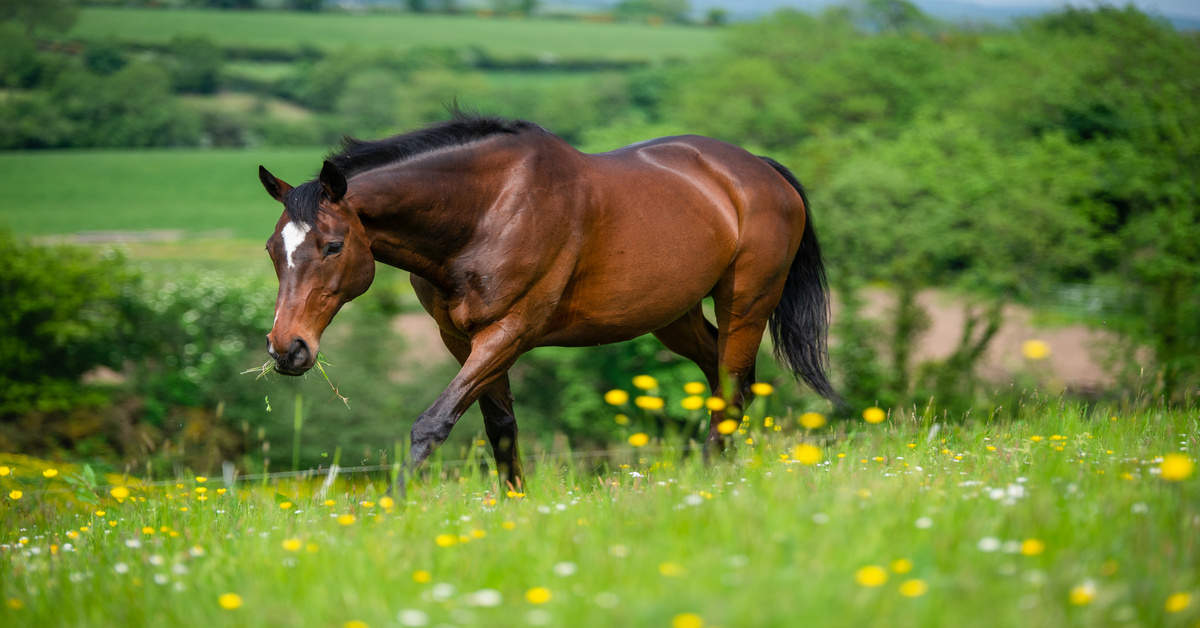
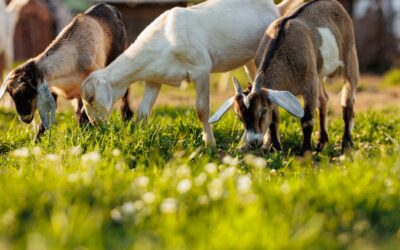
Spring is a welcome change after a long winter, but it brings some unique challenges for your horse’s digestive system. Once the snow thaws and the pasture comes to life with lush, green grass, you’ll want to transition your horses back to grazing after keeping them indoors the entire winter. But the fresh grass is rich in sugars and starches, which can be a shock to a system that’s been eating hay all winter.
According to Penn State’s Equine Division, it’s important to reintroduce them to pasture slowly to avoid digestive upset.
- Go Slow with Grazing: Don’t turn your horse out on that vibrant green pasture for hours on day one. Start with just 15-30 minutes of grazing and gradually increase the time over a couple of weeks. This gives their gut microbes time to adapt to the change from hay to fresh grass.
- Keep Hay Available: Even as you introduce pasture time, continue to provide plenty of hay. This keeps their fiber intake consistent and prevents them from gorging on the rich new grass. It’s especially important to offer hay before they go out to graze.
- Watch for Laminitis: Spring grass is notoriously high in non-structural carbohydrates (NSCs), which can trigger laminitis in susceptible horses, especially those with metabolic issues. Keep a close eye on your horse for any signs of foot soreness or heat.
Summer: Staying Cool and Hydrated
Summer means longer days, warmer temperatures, and often, more riding time. The biggest concerns during these hot months are hydration and replacing lost electrolytes. The summer sun can also bleach nutrients from pasture grass, so what looks like a full field might not be providing complete nutrition.
- Hydration is Key: Your horse needs access to fresh, clean water 24/7. An average-sized horse can drink over 10 gallons of water a day in hot weather, and even more if they’re working hard. Consider adding a second water trough to be safe.
- Provide a Salt Block: Sweat isn’t just water; it’s full of essential minerals called electrolytes. A plain white salt block allows your horse to replenish their sodium levels as needed. For horses in heavy work, you might need to add an electrolyte supplement to their feed.
- Evaluate Pasture Quality: By mid-summer, pastures can become sparse and less nutritious. You may need to supplement with hay to make sure your horse is getting enough forage. A grazing muzzle can also be a useful tool if your horse is an easy keeper on a still-lush pasture.
Autumn: Preparing for the Cold
As the air gets crisp and the leaves start to change, your horse’s body begins preparing for winter. They’ll start growing a thicker coat, and their metabolism may begin to shift. Pasture quality declines rapidly in the fall, so you’ll need to start making up for that nutritional gap.
- Increase Forage: As the grass dies back, your horse will rely more on hay. Start increasing their hay ration to match what they’re no longer getting from the pasture. This is the time to make sure your horse is at a good body condition score before winter sets in. It’s much easier to maintain weight through the cold than to try to add it.
- Check Water Sources: Colder temperatures can mean freezing water troughs. Make sure your horse’s water source won’t freeze over. Heated buckets or tank de-icers are great investments. Horses often drink less in the cold, which can lead to impaction colic, so warm water can encourage them to drink more.
- Adjust for Activity Level: Your riding schedule might slow down as the days get shorter and colder. If your horse’s workload decreases, you may need to cut back on any grain or concentrates to avoid unwanted weight gain.
Winter: Keeping Warm from the Inside Out
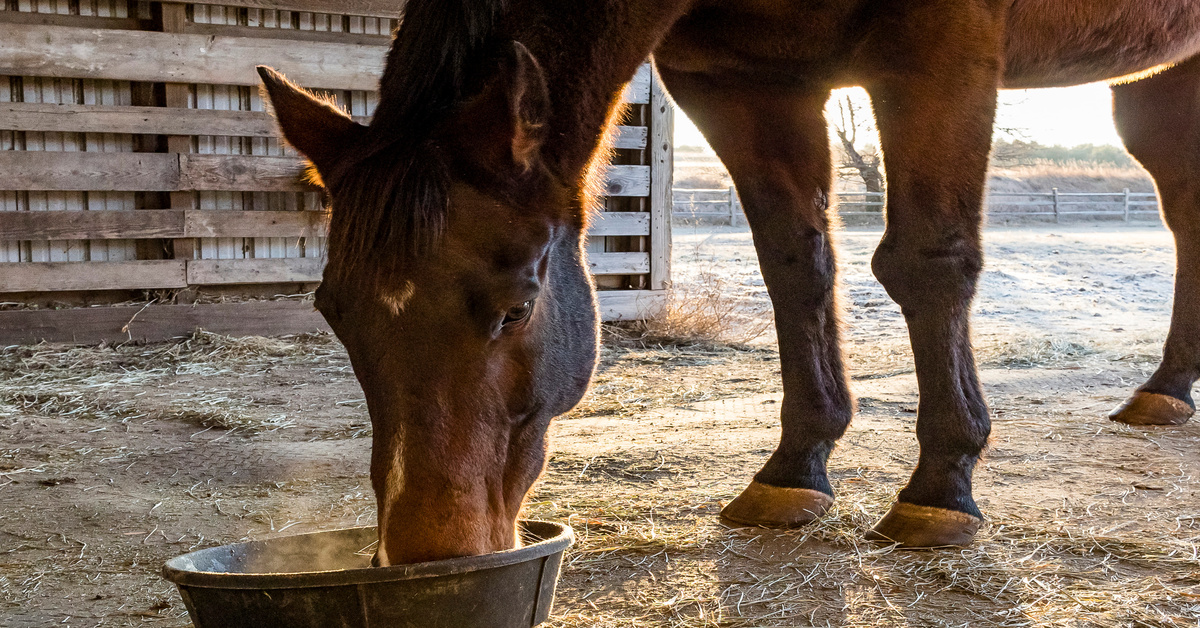
Winter is all about maintaining weight and providing enough energy for your horse to stay warm. The process of digesting forage actually generates heat and acts like an internal furnace for your horse. This makes high-quality forage the most important part of their winter diet.
- Free-Choice Forage: The best way to help your horse stay warm is to provide them with as much hay as they’re willing to eat. This constant “fuel” for their digestive fire helps them regulate their body temperature naturally.
- Monitor Body Condition: It’s harder to judge a horse’s weight under a thick winter coat. Make a habit of feeling their ribs and checking their topline regularly to make sure they aren’t losing condition. You want to feel the ribs, but not see them.
- Don’t Forget Water: Dehydration is still a risk in winter. As mentioned, horses may be reluctant to drink icy-cold water. Using a tank heater or offering buckets of warm water a few times a day is a great way to encourage drinking and prevent colic.
Your Partner in Year-Round Health
Keeping your horse in top shape is a year-round commitment. Following a guide to seasonal feeding adjustments for horses helps you provide them with exactly what they need, when they need it.
If you want only the best for your horse, shop Lucerne Farm’s high-quality, farm-grown feed for horses of every age, energy level, nutritional need, and health challenge. Our Hi Fi Gold horse feed is popular among owners with horses that need a lower-sugar diet—for example, those with conditions like insulin resistance. Horses with these sensitivities need a high-fiber, low-sugar feed year-round to stay healthy and sound. We also carry other forage blends that will provide your horse with the nutrition they need while still being tasty and easy to digest. Shop now!