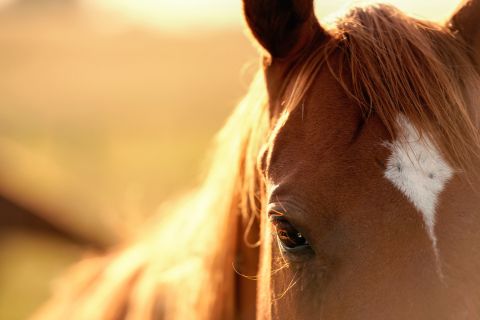
As horses age, their health needs change, requiring attentive care and observation to ensure their well-being. Senior horses—typically considered those over the age of 15—may face new challenges, such as changes in digestion, joint health, and dental wear. However, these horses can continue to lead happy and comfortable lives with proper management. Recognizing signs of good health in a senior horse is essential for providing the best care possible, as early detection of any significant health issues can enhance their quality of life. Here are some key indicators that your senior horse is thriving.
1. Maintaining a Healthy Weight
A healthy senior horse should have a well-balanced body condition, neither too thin nor overweight. You should be able to feel their ribs without them being overly prominent, and they should have a smooth, even layer of fat covering their body. Unexpected weight loss or gain can indicate underlying health issues, such as dental problems, metabolic disorders, or nutritional deficiencies.
2. Shiny, Supple Coat
A glossy, soft coat is often a sign of good health in any horse, including seniors. Regular shedding in accordance with the seasons suggests a properly functioning endocrine system. A dull, rough, or patchy coat can be a warning sign of nutritional deficiencies, parasites, or metabolic issues such as Cushing’s disease.
3. Bright Eyes and Clear Nasal Passages
Healthy senior horses have clear, bright eyes without excessive tearing, cloudiness, or swelling. Their nasal passages should be free of excessive discharge. Cloudy eyes or persistent nasal discharge can indicate infections, allergies, or respiratory issues that may need veterinary attention.
4. Strong, Balanced Hooves
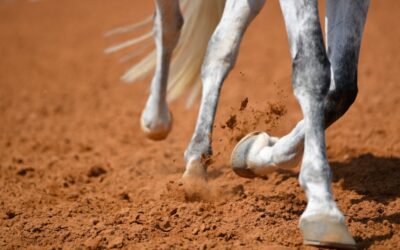
Even in their senior years, horses should maintain strong, well-shaped hooves with no significant cracks or chips. Regular farrier care is crucial, as hoof health can deteriorate with age. Laminitis, abscesses, and thrush are common hoof-related issues in older horses and should be monitored closely.
5. Good Dental Health
Proper dental function is essential for a senior horse’s ability to chew and digest food efficiently. Signs of good dental health include the ability to eat without dropping food (quidding), no foul breath, and evenly worn teeth. Regular dental check-ups help prevent problems such as sharp points, missing teeth, or infections that can interfere with proper nutrition.
6. Energetic and Engaged Demeanor
Senior horses should remain interested in their surroundings, including interacting with humans and other horses. A bright, engaged demeanor suggests overall well-being. Lethargy, withdrawal, or unusual behavioral changes can indicate pain, discomfort, or illness.
7. Healthy Digestive Function
A senior horse with a healthy digestive system will produce firm, well-formed manure and have regular bowel movements. Chronic diarrhea, constipation, or excessive gas may signal digestive issues that require veterinary attention. Monitoring manure and digestive habits is an essential part of being a responsible owner and maintaining senior horse health.
8. Stable Mobility and Soundness
While some stiffness is normal with aging, a healthy senior horse should still be able to move comfortably and maintain soundness. Signs of good mobility include smooth, even gaits and an ability to stand up and lie down without difficulty. Regular exercise, joint supplements, and veterinary care can help manage arthritis and other age-related conditions.
9. Good Appetite and Hydration
A strong appetite and consistent drinking habits indicate that a senior horse is healthy. A sudden decrease in eating grain, hay, or low-sugar horse feed may point to dental issues, ulcers, pain, or illness. Proper hydration is critical to prevent colic and other health problems.
10. Consistent Vital Signs
A senior horse’s vital signs—heart rate, respiration rate, and temperature—should remain stable within normal ranges. Any significant deviations may signal underlying health concerns. Regular monitoring helps detect early signs of illness before they become serious.
Senior horse health is all about maintaining their comfort and vitality as they age. Caring for a senior horse requires diligence, but the rewards of seeing them thrive in their golden years are well worth it. By observing these signs of good health, you can ensure that your aging equine companion remains comfortable, active, and happy. Regular veterinary check-ups, proper nutrition, and consistent care will help your senior horse enjoy a high quality of life for many years.